Travel
Beneath the towering peaks of Oman's Hajar Mountains lies a secret world that has remained hidden from human eyes for millions of years. Al Hoota Cave, nestled at the foot of the majestic Jebel Shams, represents one of the Arabian Peninsula's most remarkable geological treasures. This subterranean wonderland offers visitors a rare glimpse into an ancient ecosystem that has evolved in complete darkness, where time seems to stand still and nature's artistry takes on forms both delicate and dramatic.
Al Hoota Cave is estimated to be over 2 million years old, making it one of the oldest cave systems in the region. The cave’s formation tells a story of ancient Oman when the land experienced dramatically different climatic conditions. During those distant epochs, abundant rainfall carved through the limestone bedrock of the Hajar Mountains, dissolving mineral layers and creating an extensive network of underground passages.
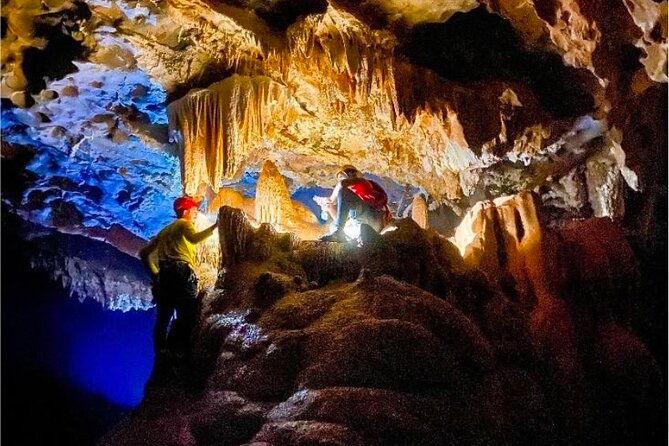
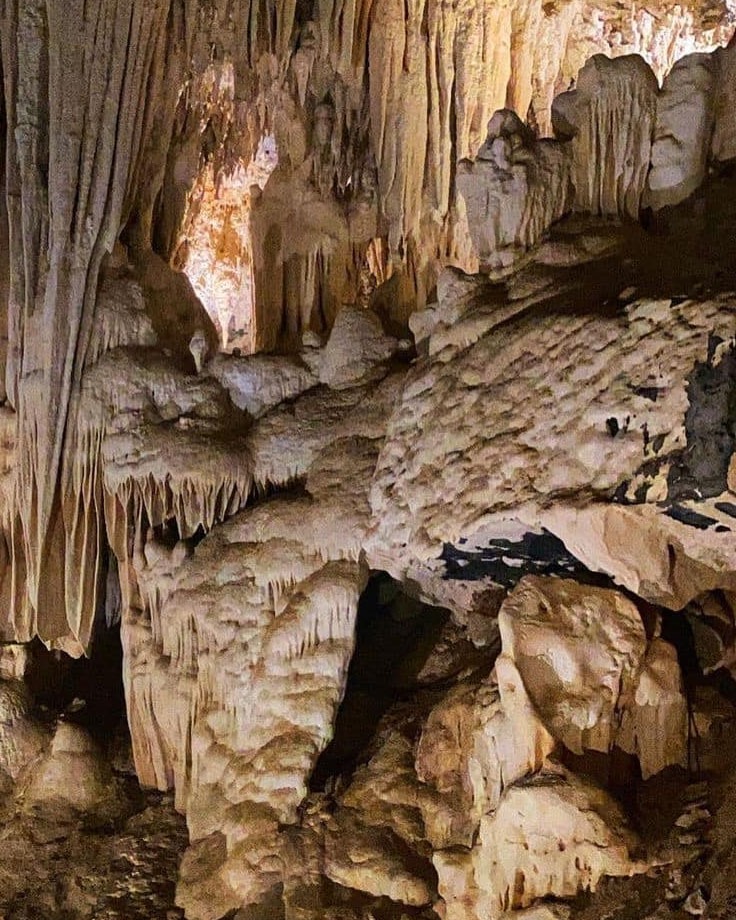
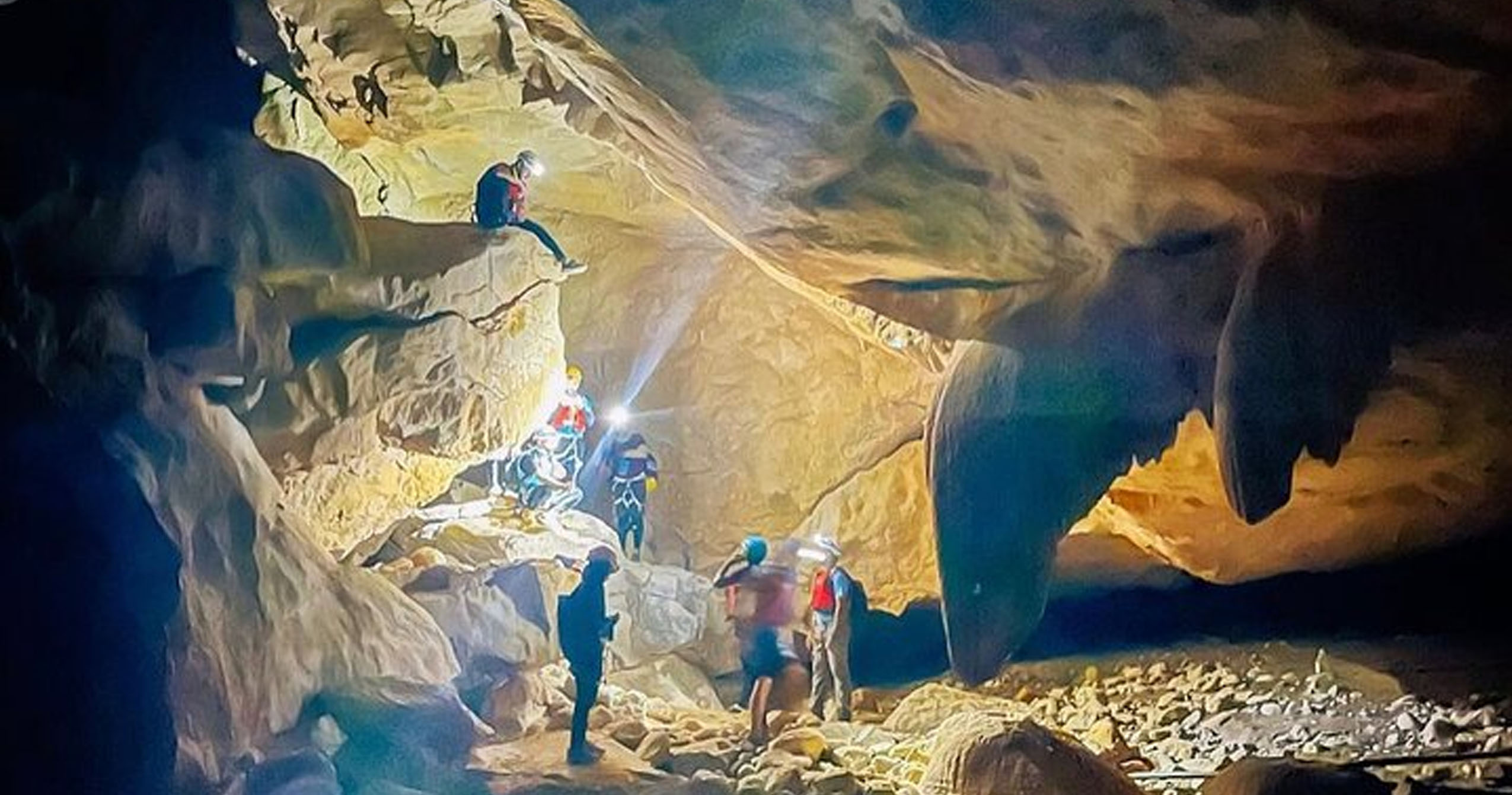
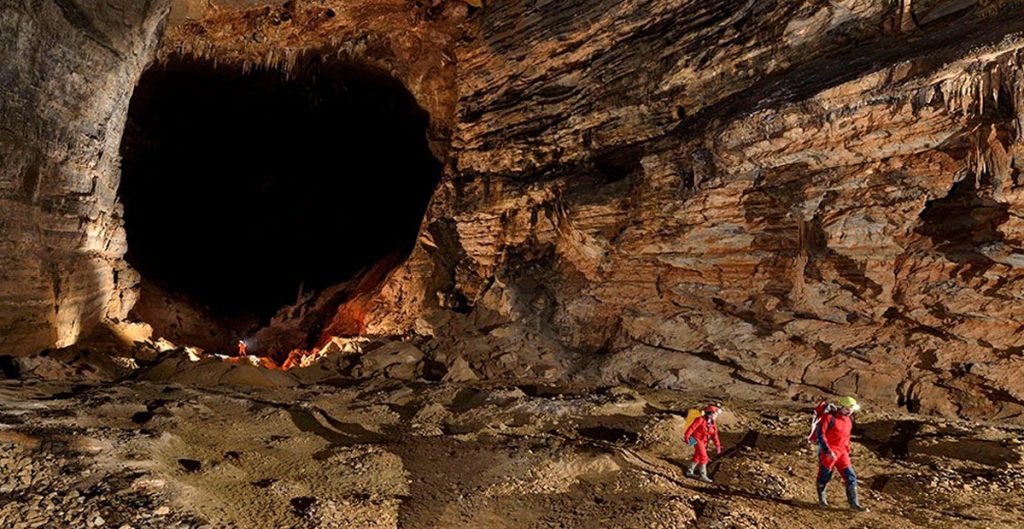
The cave spans approximately 4.5 kilometers in total length, though only a carefully managed section is accessible to visitors. The process that created this underground marvel involved carbon-rich water flowing through tectonic fractures, gradually dissolving the limestone and forming the majestic chambers we see today. The pockmarked ceiling bears witness to millions of years of water erosion, a feature that distinguishes Al Hoota from many other cave systems around the world.
The cave remained undiscovered by the wider world until relatively recently. Local communities discovered it several hundred years ago, and various legends surround its initial discovery. Some accounts suggest shepherds stumbled upon the entrance while searching for lost livestock, while others claim it served as a secret shelter for local populations during times of hardship. Regardless of its discovery story, the cave officially opened to tourists in December 2006, becoming a pioneering attraction in the region.
What truly sets Al Hoota Cave apart is its thriving ecosystem, which has adapted to the extreme conditions of perpetual darkness. The cave houses over 100 animal species, creating one of the most biodiverse cave systems in the Arabian Peninsula.
We are known for our client servicing and competitive rates, which make us unique.
The undisputed star of Al Hoota's underground world is the Garra barreimiae, commonly known as the blind cave fish. This incredible species is found only in Oman, UAE, and Bahrain, able to survive the arid conditions of the region. The cave-dwelling population has undergone remarkable evolutionary adaptations to thrive in their lightless environment.
These fish have lost their pigment, some of their scales, and even their external eyes. While they are born with eyes, these become covered over as they mature, leaving the adult fish with no optic function whatsoever. Despite their blindness, these fish navigate expertly through the cave's four underground lakes, using specialized sensory organs to detect obstacles and locate food.
The blind cave fish exhibit fascinating behavior patterns. They are bottom-dwelling species, often hiding under stones or in crevices and nuzzling over gravel and rock surfaces in a catfish-like manner. They feed on detritus washed into the cave system, bat guano, and small invertebrates. Their reproduction strategy is equally intriguing, with spawning potentially triggered by rain or thunderstorms, ensuring the rapid dispersal of eggs during favorable conditions.

Beyond the famous blind fish, Al Hoota's ecosystem includes numerous other species that have made this underground realm their home. Bats roost in the darker recesses of the cave, playing a crucial role in the ecosystem through their guano, which provides nutrients for other organisms. Various species of mollusks, snails, water beetles, arthropods, and spiders complete this complex web of life that has evolved independent of sunlight.
Modern visitors to Al Hoota Cave begin their adventure at a purpose-built visitor center that blends seamlessly with the mountain landscape. Tours last between 45 minutes and an hour, covering 500 meters of the cave on a guided tour. Originally, an electric train transported visitors into the cave, but this has since been replaced with a more efficient golf buggy service that whisks guests to the cave entrance.
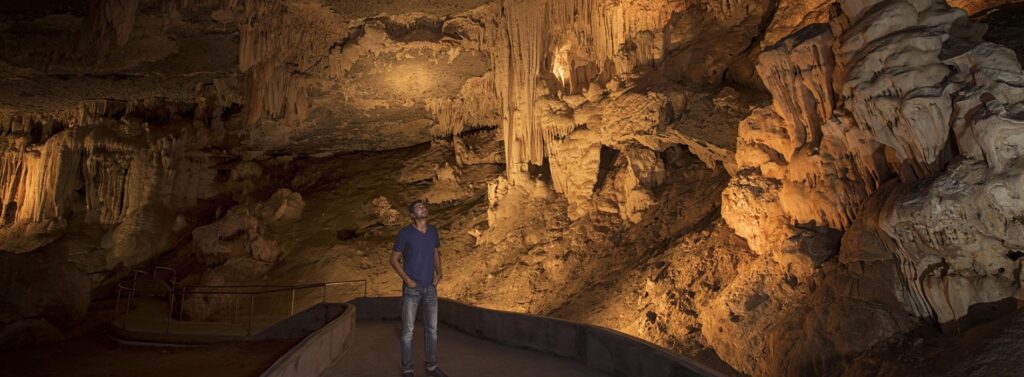
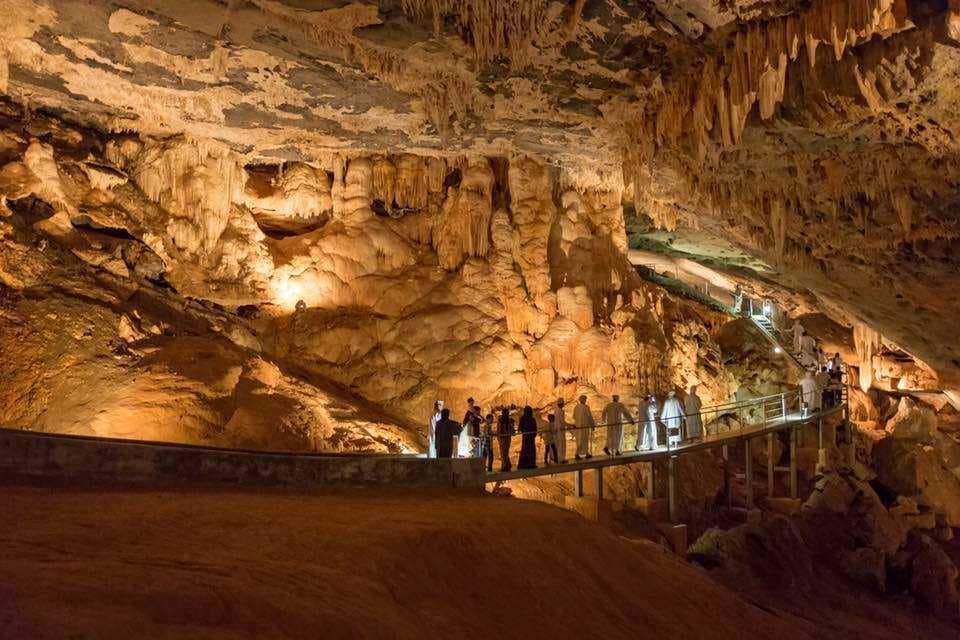
Once inside, visitors follow a carefully constructed walkway system that winds through the illuminated chambers. The walk covers a distance of 850 meters along cement and metal walkways with 230 steps, providing access to spectacular vantage points throughout the cave. The pathway is designed to minimize impact on the delicate ecosystem while ensuring visitor safety on what can be slippery surfaces.
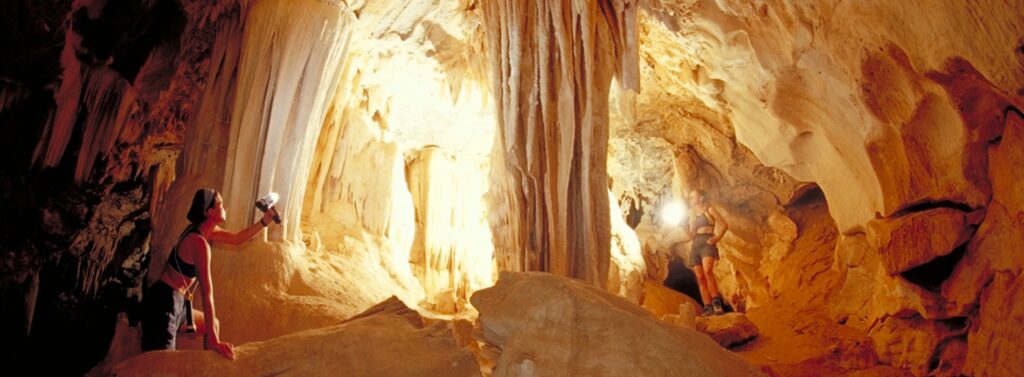
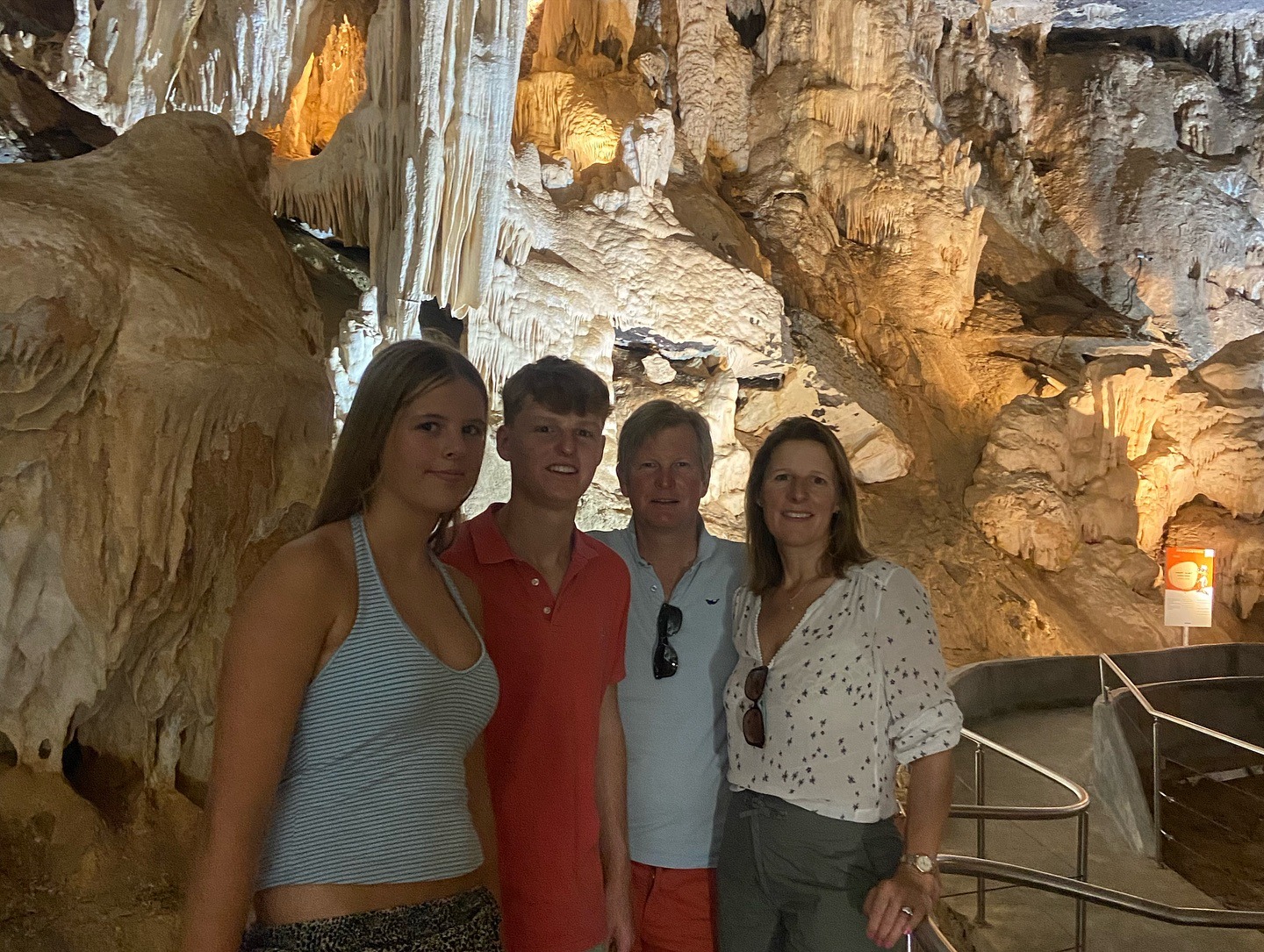
The cave's interior reveals nature's patient artistry in stunning detail. Massive stalactites hang from the ceiling like stone icicles, some taking thousands of years to form, growing drop by painstaking drop. Their counterparts, the stalagmites, rise from the cave floor in columns of mineral deposits, their forms colored in shades of red and brown by the minerals from the rock layers above.
The humidity inside the cave remains constant at approximately 85 percent, creating a unique microclimate that stays around 24 degrees Celsius year-round, regardless of the scorching desert temperatures outside. This atmospheric consistency has been crucial to the cave's ecosystem, allowing specialized species to flourish in their protected environment.
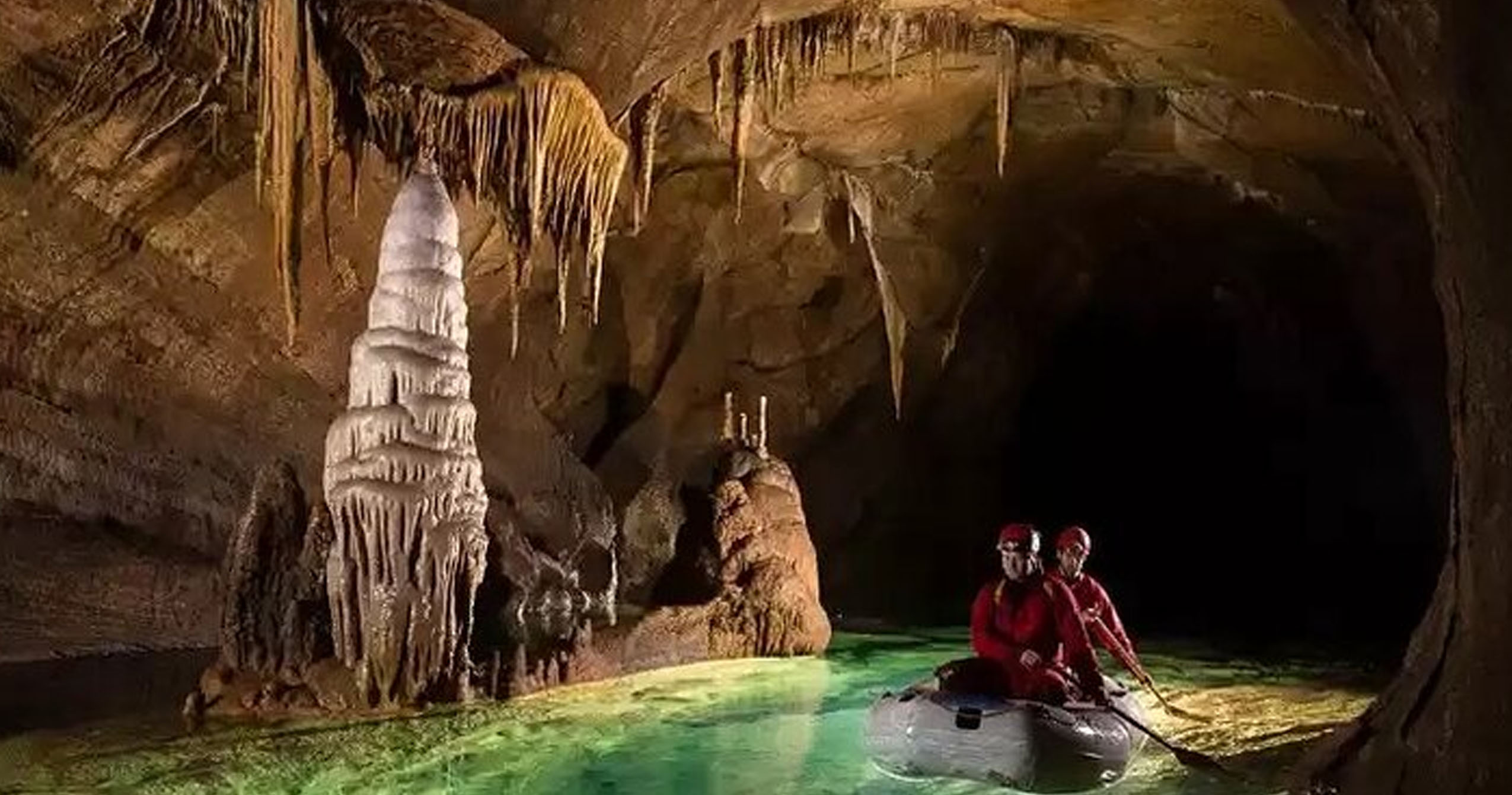
Water continues to flow through Al Hoota year-round, just as it has for millions of years. This living water system feeds the four underground lakes that dot the cave's interior, with the largest stretching 800 meters in length. These pristine pools provide the habitat for the blind cave fish population and maintain the cave's delicate ecological balance.
After exploring the cave, visitors can ascend to the Geological Exhibition at the visitor center, which provides context for what they've just witnessed. The exhibition explains how Oman's dramatic landscapes were formed by the movement of tectonic plates, which thrust ocean floor and volcanic rocks upward to create the Hajar Mountains. Interactive displays detail the cave's formation process and showcase the remarkable biodiversity found within.
The ideal time to visit Al Hoota Cave is between October and April, when Oman experiences its cooler season. During these months, temperatures are moderate and humidity is lower, making the entire experience more comfortable. Summer months from May to September bring intense heat that can make travel less enjoyable, though the cave interior maintains its cool temperature year-round.
Weekdays typically offer a more tranquil experience with smaller crowds compared to weekends and holidays. Arriving at opening time provides the best opportunity to explore the cave with fewer fellow visitors.
The cave operates on a structured schedule to protect its fragile ecosystem. Sunday to Thursday, morning sessions run from 9:00 until 12:30 with the final tour beginning at 12:15, and afternoon sessions from 14:00 to 18:00 with the final tour starting at 17:15. Friday sessions are from 9:00 until 12:00 in the morning with the last tour at 11:15, and afternoon sessions from 14:00 to 18:00 with the final tour at 17:15. The facility remains closed on Mondays.
Entry fees vary by visitor category. For Omanis, adult tickets cost OMR 3.5, while international visitors should expect to pay approximately OMR 6.5-7 for adults and OMR 3-3.5 for children aged 6-12 years.
Photography inside the cave is generally restricted to protect the sensitive environment and minimize disturbance to the cave's inhabitants. Cameras must typically be deposited at the entrance, though professional photography services are available at the gift shop, where visitors can have photos taken with cave-themed backgrounds.
The walkways inside the cave include numerous stairs and can be slippery due to moisture. While the path is well-maintained and safe, it's not suitable for wheelchairs or pushchairs. Visitors with mobility concerns should carefully consider whether the tour is appropriate for them. The high humidity and temperature inside can make the experience challenging for some visitors, so wearing light, breathable clothing is recommended.
Smoking is strictly prohibited throughout the facility to protect the cave's air quality and ecosystem. Visitors with special medical requirements should disclose these in advance to ensure their safety during the tour.
The cave operates on a structured schedule to protect its fragile ecosystem. Sunday to Thursday, morning sessions run from 9:00 until 12:30 with the final tour beginning at 12:15, and afternoon sessions from 14:00 to 18:00 with the final tour starting at 17:15. Friday sessions are from 9:00 until 12:00 in the morning with the last tour at 11:15, and afternoon sessions from 14:00 to 18:00 with the final tour at 17:15. The facility remains closed on Mondays.
Entry fees vary by visitor category. For Omanis, adult tickets cost OMR 3.5, while international visitors should expect to pay approximately OMR 6.5-7 for adults and OMR 3-3.5 for children aged 6-12 years.
A journey into the silent, majestic world of Al Hoota is an essential and unforgettable chapter, not in the landmarks but in the connections forged between people, landscapes, and cultures.
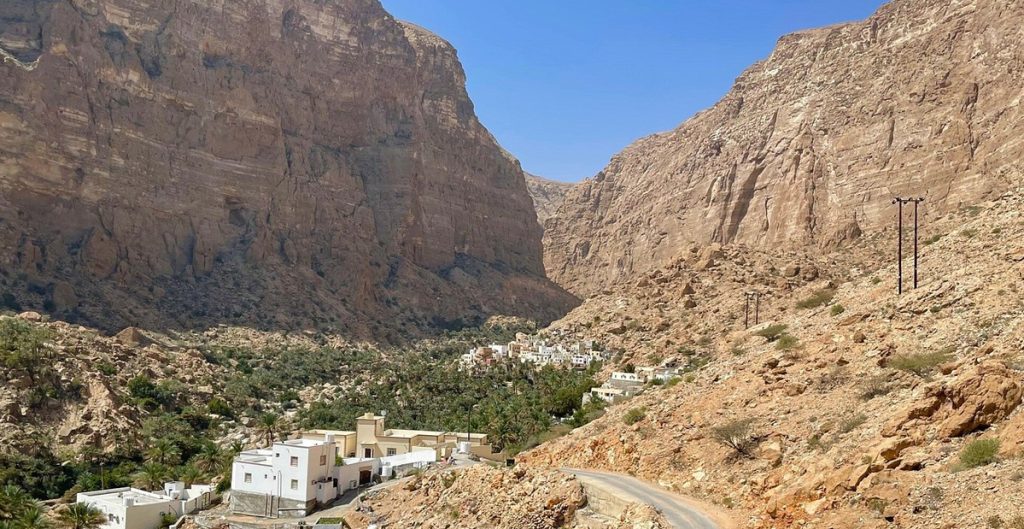
Al Hoota Cave is located near the town of Al Hamra in Oman’s Al Dakhiliyah Governorate, approximately 5 kilometers from the town center. The site sits at the base of Jebel Shams, which at 3,009 meters is Oman’s highest peak and home to the spectacular Wadi Ghul canyon, often called the Grand Canyon of Arabia.
By Car: Driving offers the most flexibility for visiting Al Hoota Cave. From Muscat, take Route 21 (the Muscat-Nizwa Highway) toward Nizwa, then continue on the Nizwa-Bahla Road until reaching Al Hamra. The journey takes approximately 2-2.5 hours. Signage clearly marks the route to the cave from Al Hamra. Ample parking is available near the entrance.
By Bus: Public transportation options are limited. Buses run from Muscat or Nizwa to Al Hamra through the Oman National Transport Company, with the journey from Muscat taking approximately three hours and from Nizwa about one hour. From Al Hamra, visitors must arrange a taxi to reach the cave.
By Taxi: Private taxis can be hired from Muscat or Nizwa directly to the cave. While more expensive than other options, this provides door-to-door service and eliminates navigation concerns. Many visitors negotiate for the driver to wait or return at a specified time.
By Tour: Numerous tour operators in Muscat offer day trips to Al Hoota Cave, often combined with visits to other attractions like Nizwa Fort, Bahla Fort, or Jebel Shams. These packages include transportation, guiding services, and often lunch, making them convenient for visitors without rental cars.
Jebel Shams, meaning ‘Mountain of Sun,’ is the highest mountain in Oman and provides a dramatic backdrop to the Al Hoota Cave experience. The mountain earned its name because it’s the first place in Oman touched by the morning sun and the last to bid it farewell at dusk. The area offers spectacular hiking opportunities, including the famous Balcony Walk that hugs the rim of Wadi Ghul, providing breathtaking views into the canyon depths.
The climate atop Jebel Shams differs markedly from the desert below, with temperatures that can be 12 degrees cooler than Muscat. In winter months, the peak occasionally receives a dusting of snow, a rarity in Oman. Camping on the canyon rim under star-studded skies ranks among Oman’s most memorable experiences.
The town of Al Hamra, closest to the cave, deserves exploration in its own right. This ancient settlement showcases traditional Omani mountain architecture with well-preserved mud-brick buildings that tell stories of centuries past. The old town area provides insight into traditional Omani life, with narrow lanes winding between historic houses and the traditional falaj irrigation system still visible throughout the community.
This picturesque mountain village perches on terraced hillsides about 30 minutes from Al Hamra. Known for its stunning stone houses and ancient agricultural terraces, Misfat Al Abriyeen offers visitors a glimpse into traditional mountain farming life. The village’s falaj system continues to irrigate date palms and banana plantations, while walking paths wind through narrow alleyways between honey-colored stone buildings.
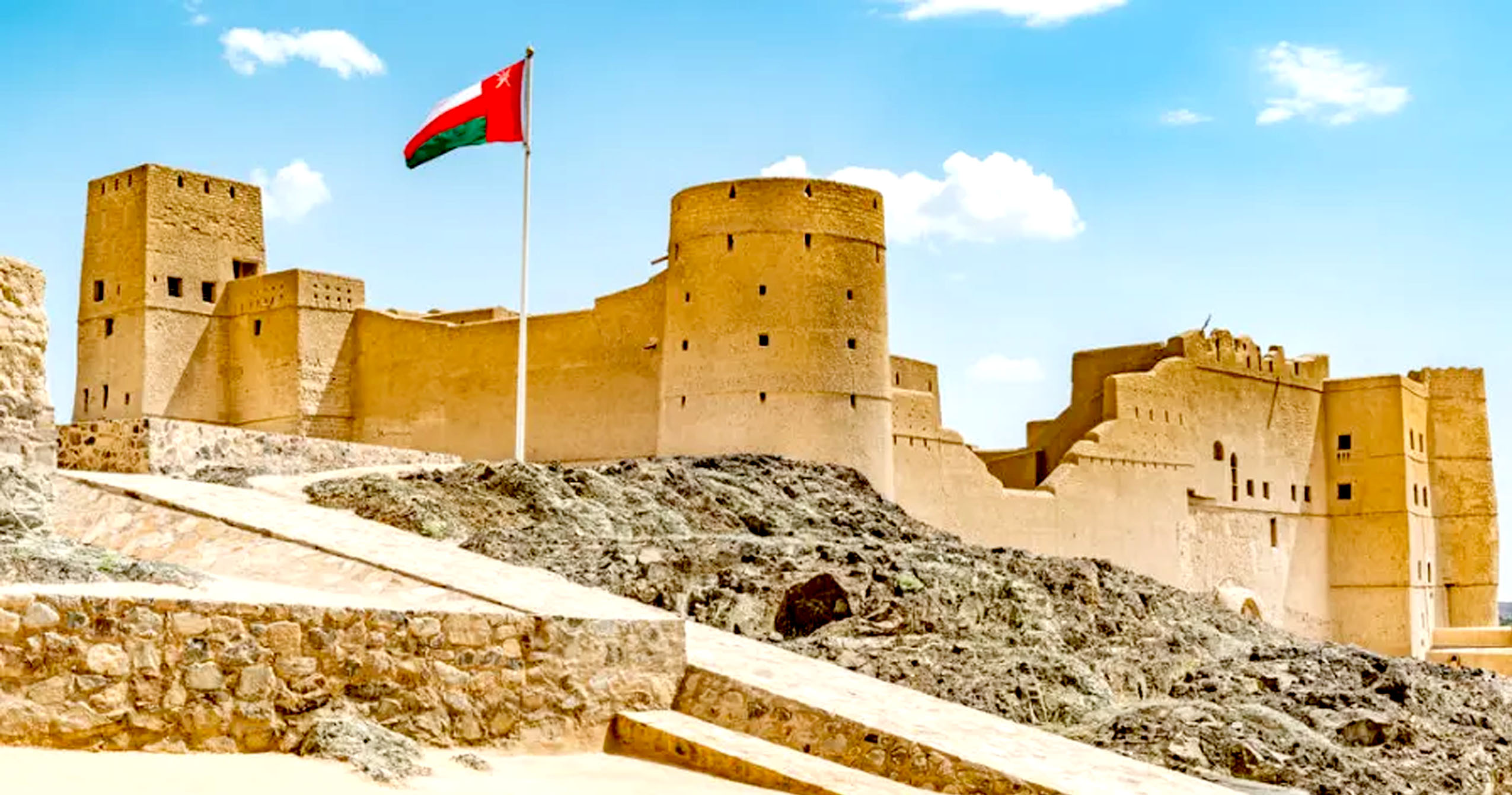
Approximately 40 kilometers from Al Hamra lies Bahla Fort, a UNESCO World Heritage Site that ranks among Oman’s most impressive historical landmarks. This massive mud-brick fortress, built on pre-Islamic foundations, showcases Omani military architecture and the importance of Bahla as a trading center along ancient caravan routes. After extensive restoration work, the fort now welcomes visitors to explore its towers, courtyards, and defensive walls.
About an hour’s drive from Al Hamra, Nizwa served as Oman’s capital for centuries and remains a cultural treasure. The city’s famous round tower fort dominates the skyline, while the traditional souq buzzes with activity, particularly on Friday mornings when the livestock market attracts traders from across the region. Nizwa’s silversmith tradition continues, with artisans crafting traditional khanjars (curved daggers) and jewelry using techniques passed down through generations.
The visitor center at Al Hoota Cave includes a restaurant offering both traditional Omani cuisine and international options. The terrace provides stunning views across the mountains, making it an ideal spot to relax after your cave exploration. Local specialties like shuwa (slow-cooked lamb) and traditional Omani coffee offer authentic culinary experiences.
The gift shop stocks a range of Omani handicrafts, books, and cave-themed souvenirs. Local artisans supply pottery, textiles, and other handmade items that make meaningful mementos of your visit. Prices remain reasonable, and both cash and card payments are accepted.
Al Hoota Cave operates with a strong commitment to environmental conservation. Visitor numbers are carefully controlled to minimize impact on the delicate ecosystem. The lighting system uses low-heat LEDs to prevent temperature fluctuations that could harm the cave’s inhabitants. Regular monitoring ensures that the blind cave fish population remains healthy and that the cave’s air quality, humidity, and water systems maintain their natural balance.
The cave’s management works closely with scientists and conservation specialists to ensure that tourism development doesn’t compromise the site’s ecological integrity. Educational programs help visitors understand the importance of protecting these unique environments and the specialized species that depend on them.
Dress Appropriately: Wear comfortable, closed-toe shoes with good grip as surfaces can be slippery. Light, breathable clothing works best given the high humidity inside the cave.
Arrive Early: The first tours of the day offer the best experience with fewer crowds and cooler external temperatures for the approach to the cave.
Stay Hydrated: Despite the cave’s cool interior, the journey to and from the entrance can be hot. Bring water bottles, though drinking is not permitted inside the cave itself.
Book in Advance: During peak tourist season and holidays, tours can sell out. Online booking ensures you secure your preferred time slot.
Combine Your Visit: Consider spending at least two days in the region to explore Jebel Shams, Al Hamra, and other nearby attractions. The area deserves more than a rushed day trip.
Respect the Environment: Follow all posted rules, stay on designated pathways, and avoid touching any cave formations or disturbing the wildlife.
Al Hoota Cave represents far more than a tourist attraction; it’s a window into Earth’s ancient past and a sanctuary for species found nowhere else on the planet. The cave’s formations, sculpted over millions of years, remind us of nature’s infinite patience and creativity. The blind cave fish, having abandoned sight to thrive in eternal darkness, exemplify evolution’s remarkable adaptability.
For visitors to Oman, Al Hoota Cave offers a unique experience that contrasts beautifully with the country’s desert landscapes and mountain vistas. It’s a place where silence reigns, where time moves at a geological pace, and where the everyday world feels wonderfully distant. Whether you’re a geology enthusiast, a nature lover, or simply someone seeking extraordinary experiences, Al Hoota Cave delivers wonder in abundance.
As you emerge from the cave’s cool embrace back into the bright Omani sunshine, you carry with you not just photographs and memories, but a deeper appreciation for the hidden worlds that exist beneath our feet and the precious ecosystems we must protect for future generations.
Location: Al Hamra, Ad Dakhiliyah Governorate, Oman
Distance from Muscat: Approximately 150-170 kilometers (2-2.5 hours by car)
Distance from Nizwa: Approximately 50 kilometers (1 hour by car)
Cave Length: 4.5 kilometers total (500 meters accessible to tourists)
Tour Duration: 45 minutes to 1 hour
Best Season: October to April
Closed: Mondays
Notable Features:
What to Bring:
Not Permitted:
Al Hoota Cave stands as testimony to Oman’s commitment to preserving its natural heritage while sharing its wonders with the world. It’s a destination that inspires awe, sparks curiosity, and leaves every visitor with a profound respect for the natural world’s hidden treasures.
Al Hoota Caves invite travelers to uncover a world carved by nature’s patience and power. As you step inside this ancient cavern, you are transported into a realm of glittering formations, tranquil lakes, and untouched geological stories.
With Pinkstone Travel by your side, your journey becomes smoother, safer, and enriched with deep insights. Whether you are new to Oman or a returning visitor, Al Hoota Caves promise an unforgettable experience—one that immerses you in the awe-inspiring beauty of the natural world.
If you’re ready to explore Oman’s hidden gems, Pinkstone Travel is here to craft the perfect adventure for you.
Explore the Al Hoota Caves Adventure & Group Tour to Oman with Pinkstone Travel, one of the most reputable and best travel agencies in Oman. Your family’s unforgettable journey starts here. The call to adventure is ancient and powerful. Oman stands ready to answer it with experiences that satisfy the soul as well as the wanderlust. Your small group awaits. The journey of discovery begins the moment you decide to join us.
Subscribe to the free newsletter and stay up to date