
The luminous festival of Diwali transcends geographical boundaries, and nowhere is this more beautifully demonstrated than in the Sultanate of Oman. As the festival of lights illuminates homes and hearts across the Indian subcontinent, it casts an equally warm glow across the Arabian Peninsula, where Oman's significant Indian expatriate community transforms this ancient celebration into a spectacular cross-cultural experience. For travelers seeking authentic festival experiences combined with Arabian mystique, celebrating Diwali in Oman offers an enchanting journey unlike any other.
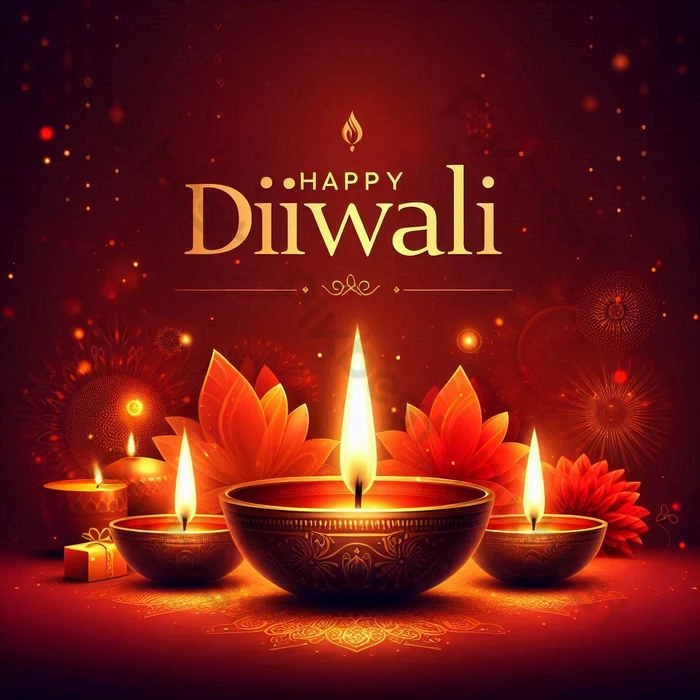

Oman hosts one of the largest Indian expatriate communities in the Gulf region, with over 700,000 Indian nationals calling this country home. This substantial presence has woven Indian culture deeply into Oman's social fabric, creating a unique multicultural tapestry that comes alive most vibrantly during Diwali. Unlike many destinations where festivals remain confined to specific communities, Oman's inclusive ethos and the Omani people's renowned hospitality have allowed Diwali to blossom into a widely appreciated celebration.
The relationship between Oman and India stretches back thousands of years, with maritime trade routes connecting these lands long before modern borders existed. This historical connection adds layers of meaning to contemporary Diwali celebrations, as ancient trading partners now share in the joy of the festival of lights. The Omani government's respect for cultural diversity has fostered an environment where Indians can celebrate their traditions freely while contributing to Oman's multicultural identity.
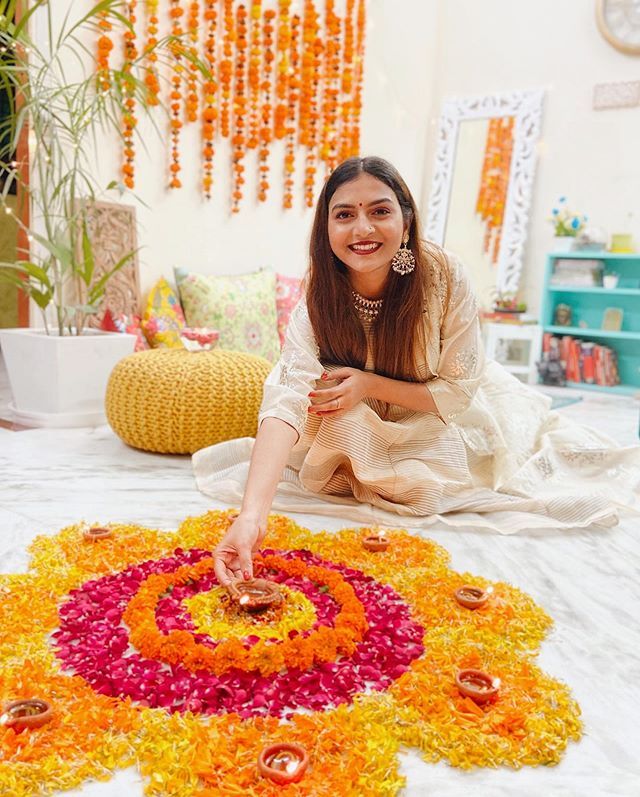
Muscat, Oman's capital, transforms into a dazzling display of lights and colors during Diwali. The festival's epicenter can be found in neighborhoods like Ruwi, Bausher, and Al Khuwair, where Indian communities have established vibrant residential and commercial hubs. Walking through these areas during Diwali season feels like stepping into a portal between worlds—Arabic architecture adorned with Indian diyas and rangoli patterns, the scent of Omani frankincense mingling with Indian incense, and the sound of Bollywood music floating across streets lined with date palms.
The India Club Muscat, one of the oldest Indian associations in the region, organizes elaborate Diwali celebrations that draw thousands of attendees. These events feature traditional pujas, cultural performances showcasing classical Indian dance forms, music concerts, and elaborate feasts that bring together not just Indians but also Omanis and other expatriate communities curious to experience the festival's magic.
Shopping complexes like Muscat Grand Mall and City Centre Muscat embrace Diwali with special decorations, promotional campaigns, and dedicated spaces for vendors selling traditional Indian sweets, decorative items, and festive clothing. The confluence of Omani retail culture with Indian festival shopping creates a unique experience where you might purchase gold jewelry in designs inspired by both Indian and Arabic traditions or find fusion fashion combining the sari's elegance with Omani embroidery techniques.
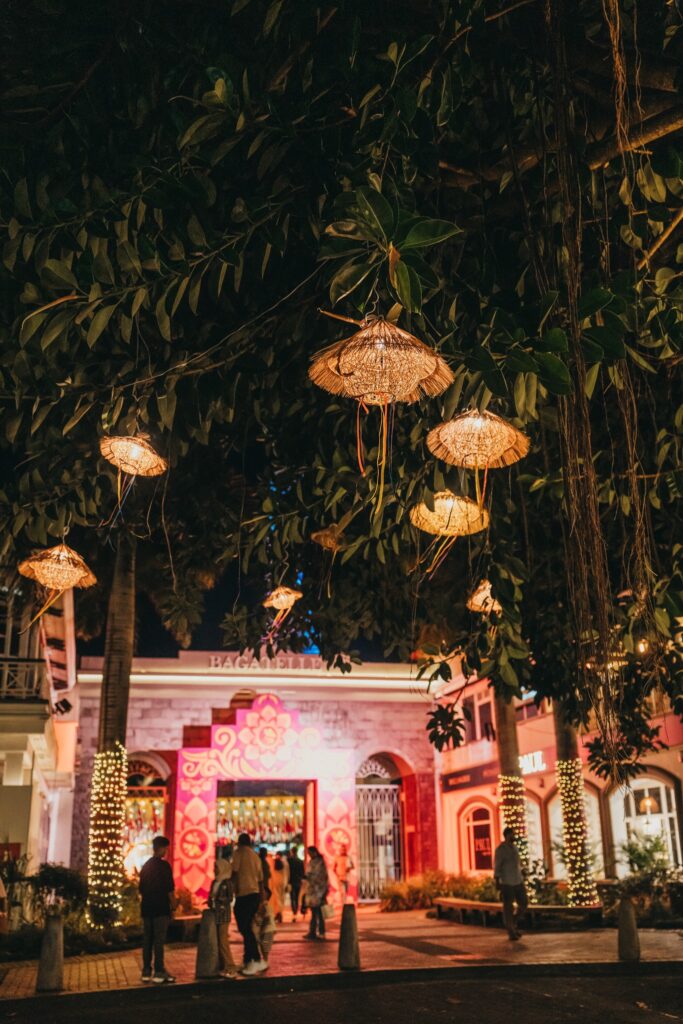
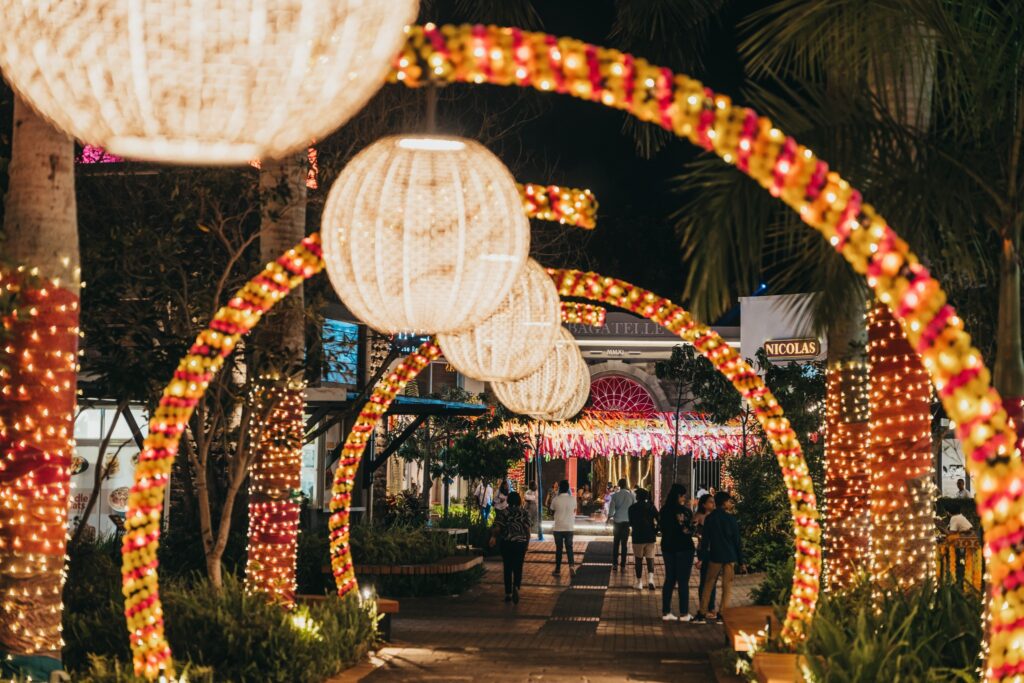
In Salalah, Oman's southern jewel known for its khareef season and frankincense heritage, the Indian community brings Diwali celebrations to the shores of the Arabian Sea. Here, the festival takes on a more intimate character, with community gatherings in residential compounds and cultural associations. The backdrop of Salalah's dramatic landscapes—from pristine beaches to misty mountains—adds a distinctive atmosphere to Diwali celebrations, making it a destination for those seeking a more tranquil festival experience.
Sohar, with its significant Indian workforce in the industrial sector, witnesses enthusiastic Diwali celebrations that emphasize community solidarity and family values. Industrial compounds and workers' accommodations transform into mini-festivals, with collective celebrations that strengthen bonds among expatriates far from their homeland.
What distinguishes Diwali celebrations in Oman from those in other Gulf countries or even in India itself is the remarkable cultural exchange and mutual appreciation that characterizes the festival. Omani colleagues often participate in Diwali celebrations, accepting invitations to their Indian neighbors' homes, sharing in the festive meals, and genuinely engaging with the traditions. This exchange goes both ways—Indian expatriates have adopted aspects of Omani hospitality culture, serving Omani coffee alongside Indian chai during Diwali gatherings, or incorporating dates and traditional Omani sweets into their festival spread.
The architectural backdrop of Oman provides a stunning setting for Diwali decorations. Imagine traditional Indian rangoli patterns adorning the courtyards of whitewashed Omani homes, or diyas illuminating terraces with views of the Hajar Mountains. The juxtaposition creates a visual poetry that photographers and travelers find irresistible.
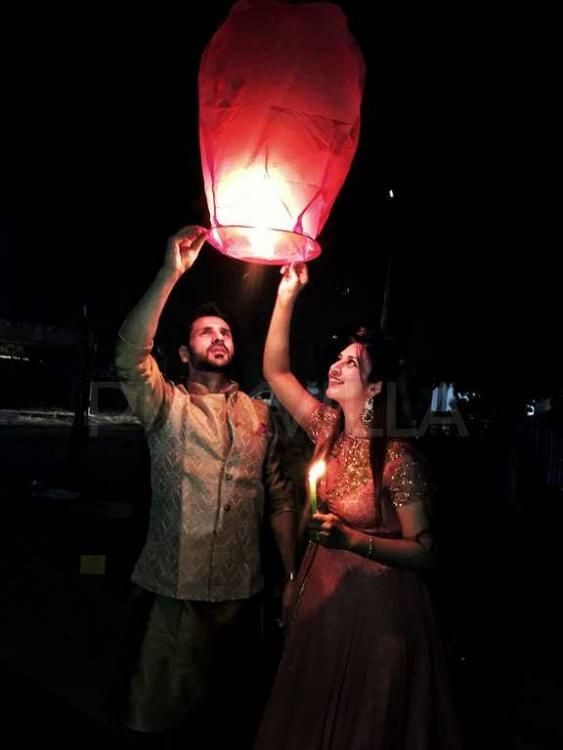
Oman's tradition of religious tolerance creates an environment where Diwali's spiritual aspects can be openly celebrated. Hindu temples in Muscat and other cities conduct special Lakshmi pujas and religious ceremonies throughout the Diwali period. The most prominent is the Hindu Temple in Muscat's Bait Al Falaj area, where devotees gather for prayers, and non-Hindu visitors are welcomed to observe and learn about the festival's religious significance.
This religious openness extends to the workplace, where many companies with substantial Indian workforces grant leave during Diwali, acknowledging its importance as a cultural and religious occasion. Some Omani-owned businesses even organize Diwali events for their staff, recognizing that employee well-being includes honoring their cultural celebrations.
Diwali falls on different dates each year according to the lunar calendar, typically occurring between October and November. The celebration period extends beyond the main Diwali day, encompassing Dhanteras at the beginning and Bhai Dooj at the end, creating nearly a week of festivities. For travelers planning to experience Diwali in Oman, arriving a few days before the main festival allows for participation in the full spectrum of celebrations.
Staying in areas with significant Indian populations enhances the Diwali experience. Hotels in Ruwi or near the Bausher area place you at the heart of celebrations. Alternatively, luxury properties like The Chedi Muscat or Al Bustan Palace often organize special Diwali events, including themed dinners and cultural performances, allowing travelers to experience the festival with added comfort and curated cultural programming.
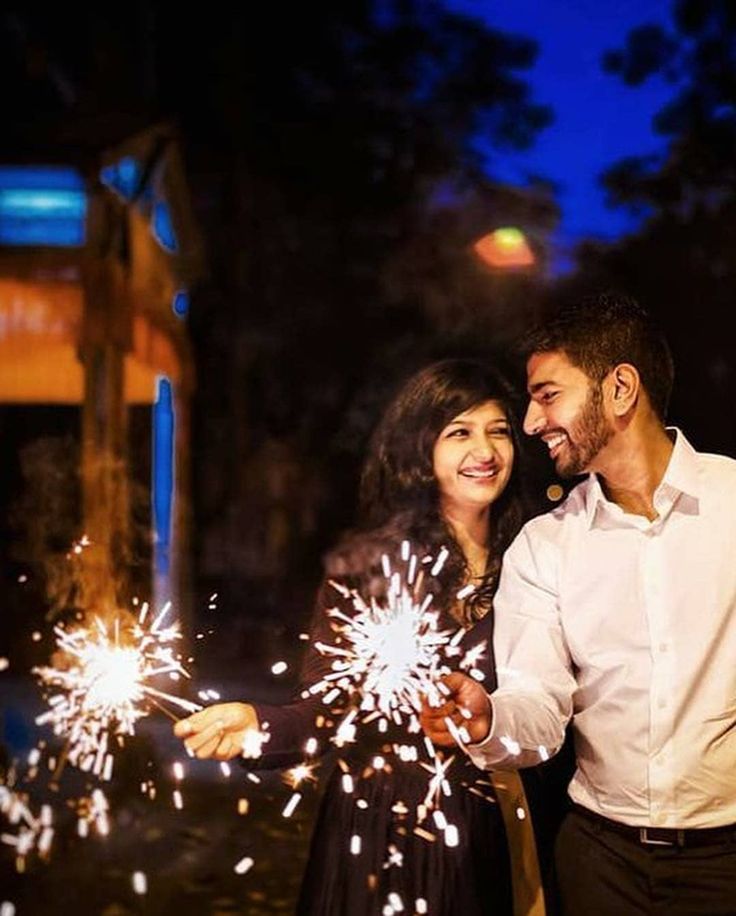
For a more immersive experience, consider rental accommodations in residential areas where you can witness authentic neighborhood celebrations—the lighting of lamps at sunset, families dressed in traditional attire visiting neighbors, children playing with sparklers, and the general atmosphere of communal joy.
Diwali in Oman presents extraordinary culinary opportunities. Indian restaurants across Muscat, from casual eateries to upscale establishments, prepare special Diwali menus featuring festival delicacies. Authentic Indian sweets—ladoos, jalebis, barfis, and kaju katli—become widely available, often made by home-based businesses run by Indian expatriate women maintaining traditional recipes.
Several restaurants create fusion Diwali menus, combining Indian spices with Omani ingredients. Imagine dishes like saffron-infused biryani made with Omani rice, or desserts incorporating dates and rose water alongside traditional Indian flavors. These culinary experiments represent the cultural dialogue occurring in Oman's kitchens.
The food markets in areas like Ruwi and Mawaleh overflow with ingredients for Diwali preparations. Shopping alongside Indian families stocking up on specific spices, flours, and decorative items provides insight into the festival's domestic preparations. Many vendors speak Hindi or Malayalam in addition to Arabic and English, creating a truly multilingual marketplace experience.
Gold shopping holds special significance during Diwali, considered auspicious for making major purchases. Oman's gold souqs, particularly in Muttrah, see increased activity from Indian shoppers during Diwali season. The jewelry designs available reflect both Indian aesthetic preferences and Omani craftsmanship, with some pieces incorporating both traditions.
Textile shops stock up on Indian clothing, and many women choose this time to purchase new saris, lehengas, or salwar kameez. Men's fashion follows suit with kurta-pajamas and sherwanis becoming widely available. Several shops offer Omani-Indian fusion wear, such as dishdasha-inspired kurtas or saris in colors popular in Omani fashion.
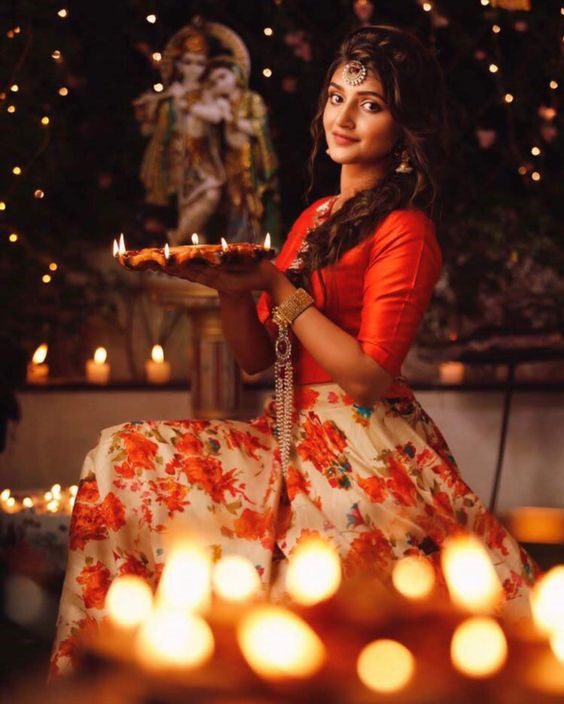
Home decor shops import special Diwali items—rangoli stencils and powders, brass diyas, electronic lamp strings in traditional designs, and decorative door hangings. Local craftsmen sometimes create Diwali decorations incorporating Omani design elements, such as brass diyas etched with arabesque patterns or door decorations featuring both Indian and Arabic calligraphy.

Diwali in Oman presents extraordinary culinary opportunities. Indian restaurants across Muscat, from casual eateries to upscale establishments, prepare special Diwali menus featuring festival delicacies. Authentic Indian sweets—ladoos, jalebis, barfis, and kaju katli—become widely available, often made by home-based businesses run by Indian expatriate women maintaining traditional recipes.
Several restaurants create fusion Diwali menus, combining Indian spices with Omani ingredients. Imagine dishes like saffron-infused biryani made with Omani rice, or desserts incorporating dates and rose water alongside traditional Indian flavors. These culinary experiments represent the cultural dialogue occurring in Oman's kitchens.
The food markets in areas like Ruwi and Mawaleh overflow with ingredients for Diwali preparations. Shopping alongside Indian families stocking up on specific spices, flours, and decorative items provides insight into the festival's domestic preparations. Many vendors speak Hindi or Malayalam in addition to Arabic and English, creating a truly multilingual marketplace experience.
For those interested in the spiritual aspects of Diwali, participating in or observing pujas at Hindu temples offers profound insights. The Lakshmi puja, central to Diwali celebrations, involves elaborate rituals, mantras, and offerings designed to invite prosperity and remove obstacles. Temples welcome respectful visitors, often providing explanations of the rituals being performed.
Beyond formal religious spaces, the spiritual essence of Diwali permeates homes and communities. The lighting of diyas symbolizes the victory of light over darkness, knowledge over ignorance—a universal message that resonates across cultures. In Oman, where religious and philosophical reflection is culturally valued, this spiritual dimension finds appreciative audiences.
For photography enthusiasts, Diwali in Oman presents extraordinary opportunities. The contrast between Arabian architecture and Indian decorations, the golden light of countless diyas against white buildings, families in colorful traditional dress against desert or mountain backdrops—these images capture the essence of cultural confluence.
Key photographic moments include the lighting of lamps at sunset, rangoli creation, families preparing for celebrations, markets bursting with festival goods, cultural performances, and the spontaneous joy of children with sparklers. Always request permission before photographing people, particularly in residential areas or during religious ceremonies.

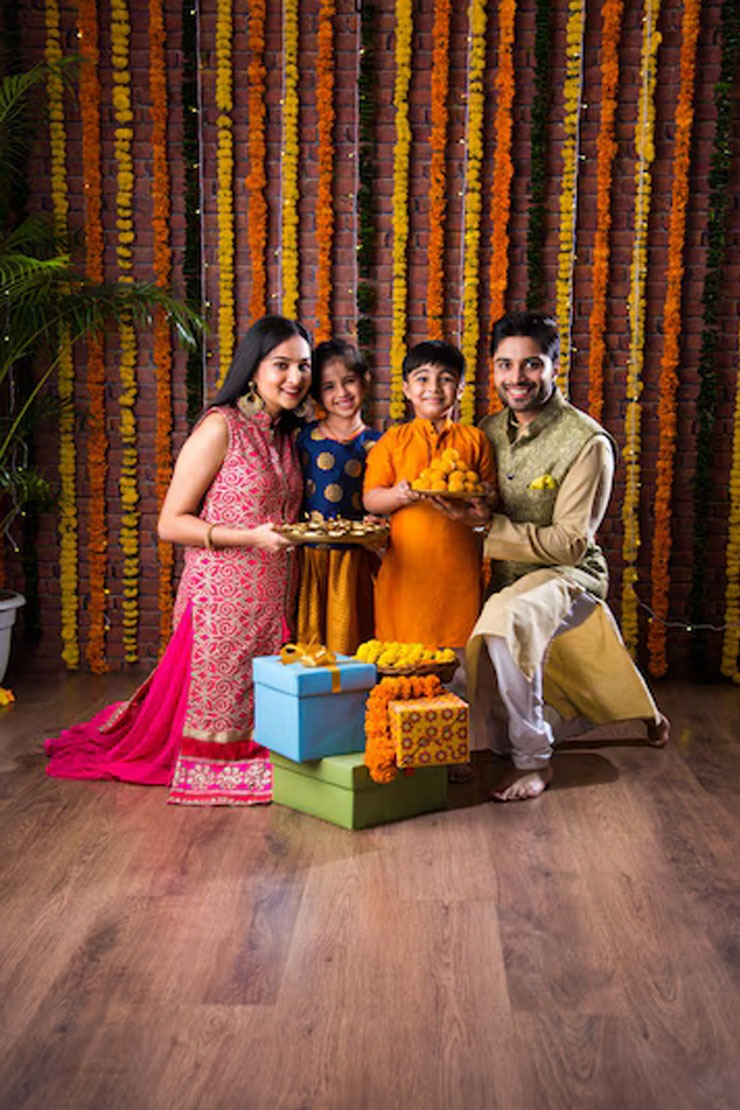
Diwali in Oman highlights the importance of community for expatriates living far from home. The festival becomes a powerful moment of collective identity and mutual support. Residential compounds and apartment complexes organize communal celebrations where everyone contributes dishes, children perform cultural programs, and the spirit of extended family prevails even among people who may not be biologically related.
For travelers, these community celebrations—if invited—offer rare glimpses into expatriate life and the ways displaced communities recreate home. The warmth of these gatherings, the generosity with which strangers are welcomed, and the visible joy of maintaining traditions across oceans create deeply moving experiences.
An interesting development in Omani Diwali celebrations is the growing emphasis on environmental consciousness. Concerns about air pollution from firecrackers, which have become significant in India, have led many in Oman's Indian community to embrace "Green Diwali" concepts. Celebrations focus more on traditional diyas rather than electric lights, reduced firecracker use, and eco-friendly decorations.
This evolution reflects both environmental awareness and adaptation to Oman's context, where noise and air pollution regulations are strictly enforced. The result is often a more peaceful, traditional celebration that emphasizes the festival's deeper meanings over its more commercial aspects.
Plan your visit to coincide with the main Diwali day and the days immediately before and after. This typically means a four-to-five-day stay centered on the festival. Check the exact dates well in advance, as they change annually based on the lunar calendar.
While Omani society is welcoming and relatively liberal by Gulf standards, maintaining cultural sensitivity enhances your experience. Dress modestly when visiting temples or attending community celebrations. If invited to homes, bringing a small gift (sweets are always appreciated during Diwali) follows both Indian and Omani etiquette.
English is widely spoken in Oman, particularly in urban areas and among the Indian community. Learning a few basic Hindi or Malayalam phrases enhances interactions, as does showing respect for Arabic as Oman's national language. Many Indians in Oman also speak Arabic, creating interesting trilingual or quadrilingual conversations.
Diwali season coincides with pleasant weather in Oman, with temperatures typically ranging from the mid-20s to low 30s Celsius (mid-70s to low 90s Fahrenheit). Evening temperatures are comfortable, making outdoor celebrations enjoyable. The weather is ideal for exploring Oman's natural and cultural attractions during the day and participating in Diwali events in the evenings.
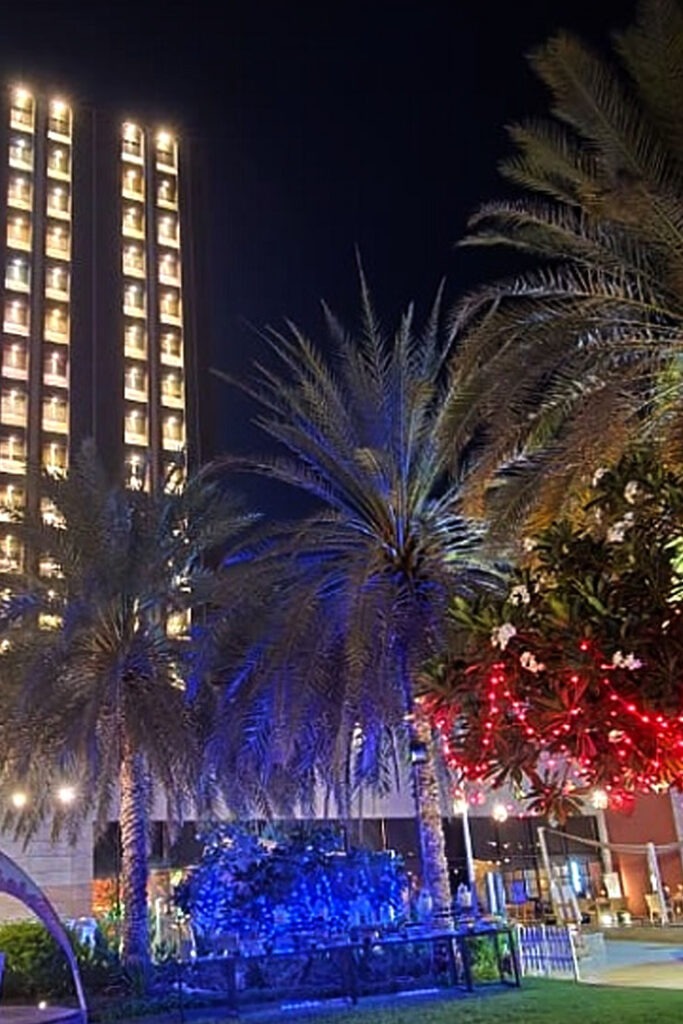
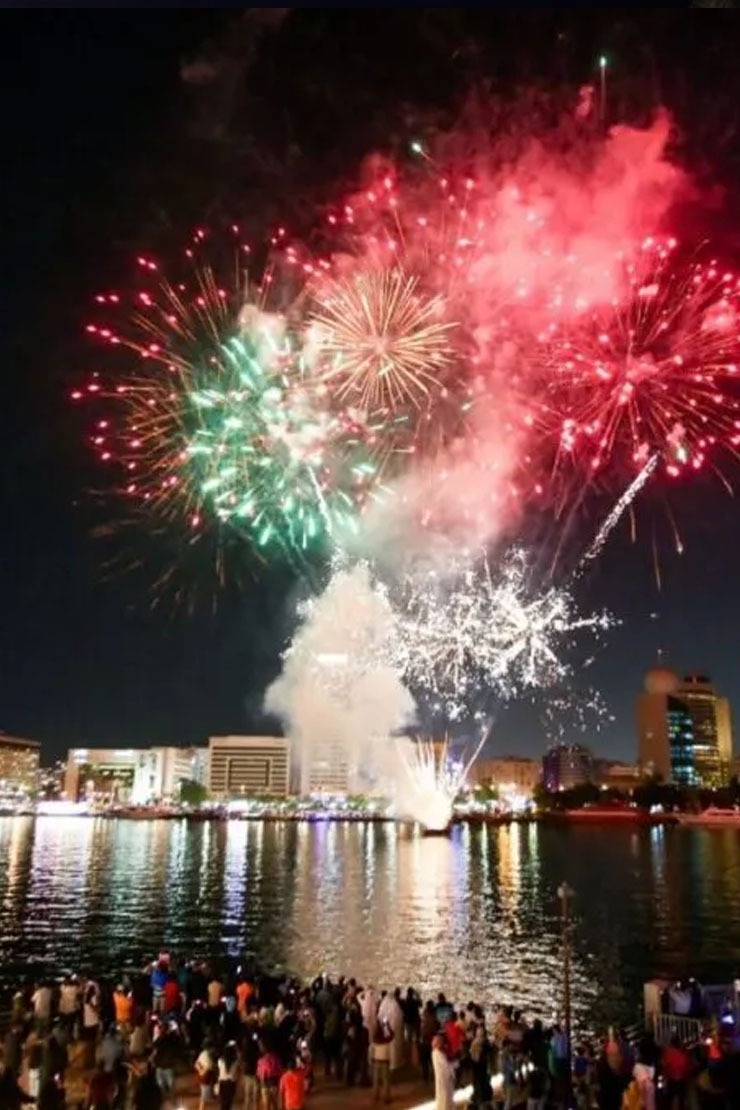
Combining Diwali celebrations with broader Oman exploration creates a comprehensive travel experience. The festival typically requires only a few days, leaving time to discover Oman's remarkable attractions:
The ancient forts of Nizwa and Bahla speak to Oman's rich history. The dramatic wadis—Wadi Shab and Wadi Bani Khalid—offer stunning natural beauty. The Wahiba Sands provide classic desert experiences. The UNESCO World Heritage sites, from Bahla Fort to the ancient frankincense trade routes, reveal layers of history.
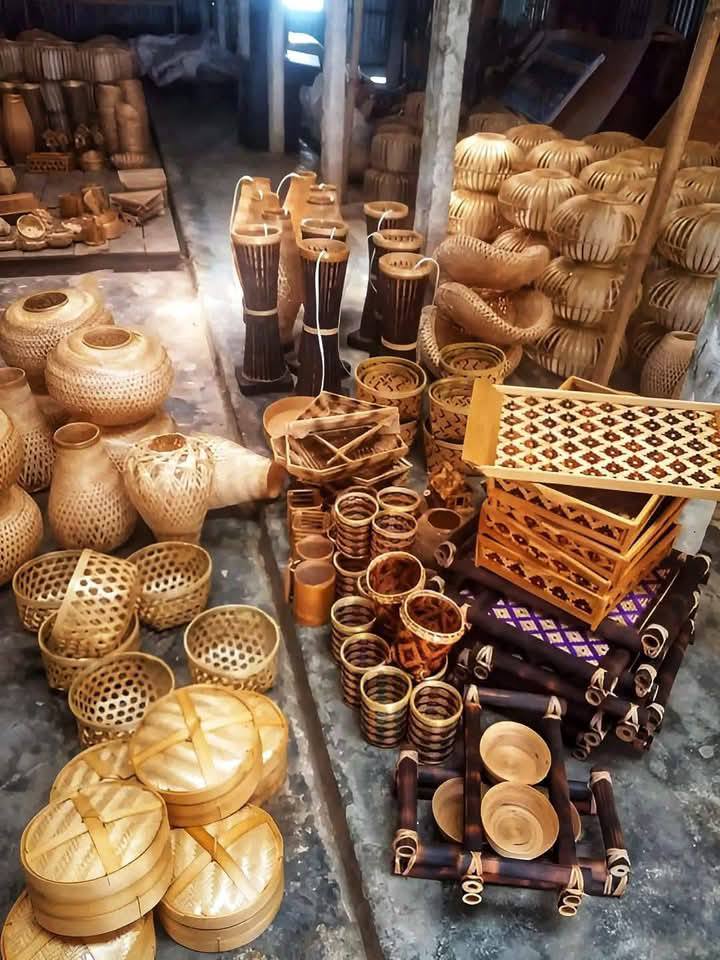
The souqs—particularly Muttrah Souq—blend traditional commerce with tourist appeal, offering everything from frankincense to silver khanjars. Oman's coastline, stretching over 3,000 kilometers, features pristine beaches, turtle nesting sites, and opportunities for diving and snorkeling.
Experiencing Diwali in Oman transcends simple festival tourism. It represents the beautiful complexity of our globalized world, where ancient traditions adapt to new contexts without losing their essence. It demonstrates how hospitality and mutual respect can create spaces where different cultures don't just coexist but genuinely enrich each other.
For the Indian diaspora in Oman, Diwali represents both continuity with home and adaptation to a new reality. For Omanis who participate or observe with interest, it represents openness to the world. For travelers fortunate enough to witness these celebrations, it offers lessons in cultural resilience, adaptation, and the universal human need for light, community, and renewal.
Diwali in Oman exemplifies festival celebration at its finest—rooted in tradition yet open to transformation, deeply meaningful yet joyously accessible, culturally specific yet universal in its appeal. The Arabian setting doesn't diminish the Indian festival; rather, it adds new dimensions, creating something simultaneously familiar and novel.
For Pink Stone Travel clients seeking meaningful cultural experiences, Diwali in Oman offers precisely that rare combination of accessibility and authenticity. It's comfortable enough for travelers unfamiliar with India or Indian culture—Oman's infrastructure, English proficiency, and safety make it welcoming. Yet it's authentic enough to provide genuine insight into one of India's most important festivals, celebrated by people for whom these traditions remain vitally important.
As the diyas flicker across Muscat's skyline, casting their gentle glow over mountains and sea, as the prayers echo in temples and homes, as families gather and communities come together, Diwali in Oman reminds us that light, in all its forms, transcends boundaries. For travelers willing to seek out these moments where cultures meet and traditions travel, the rewards are immeasurable—memories illuminated by both literal and metaphorical light, understanding deepened through shared celebration, and the profound satisfaction of witnessing humanity's beautiful diversity.
Whether you're drawn by spiritual curiosity, cultural interest, photographic opportunities, or simply the universal appeal of a joyous festival, Diwali in Oman promises an experience that lingers long after the last diya has been extinguished and the final sweet has been savored. It's a celebration that honors the past while embracing the present, a festival that crosses oceans while remaining true to its roots, and an experience that transforms both those who celebrate and those fortunate enough to witness their joy.