
As the Iran conflict continues to reshape travel dynamics across the Gulf region, the overland route from Dubai to Muscat has emerged as a vital corridor for travelers seeking safety, continuity, or alternative transit options.
As the Iran conflict continues to reshape travel dynamics across the Gulf region, the overland route from Dubai to Muscat has emerged as a vital corridor for travelers seeking safety, continuity, or alternative transit options. Whether you're an expatriate navigating disrupted air routes, a tourist adjusting plans, or a business traveler seeking a secure passage, this guide offers a detailed, step-by-step breakdown of the road journey from Dubai to Muscat during this sensitive time.
Pink Stone Travel presents this essential guide to help you travel smart, stay safe, and experience the journey with confidence and cultural respect.
A Step-by-Step Travel Guide During the Iran Conflict
Updated March 2026 | Pink Stone Travel
The Gulf region is one of those rare corners of the world where ancient hospitality and modern infrastructure exist side by side — and where geopolitical headlines can make even seasoned travellers hesitate before booking a flight. With ongoing tensions stemming from the Iran conflict casting a shadow across the broader Middle East, many tourists, expats, and business travellers are asking the same question: Is the road from Dubai to Muscat still safe, and how do I navigate it wisely?
The short answer is yes — Oman remains one of the most politically neutral and stable countries in the region, maintaining diplomatic channels with virtually every player on the geopolitical stage, including Iran. But travelling smart means more than just booking a ticket. It means understanding border dynamics, choosing the right route, knowing your entry requirements, and staying informed as the situation evolves.
This Pink Stone Travel guide walks you through every step of the journey from Dubai to Muscat — whether you choose to fly, drive, or take the bus — with practical, on-the-ground advice tailored to the current regional climate.
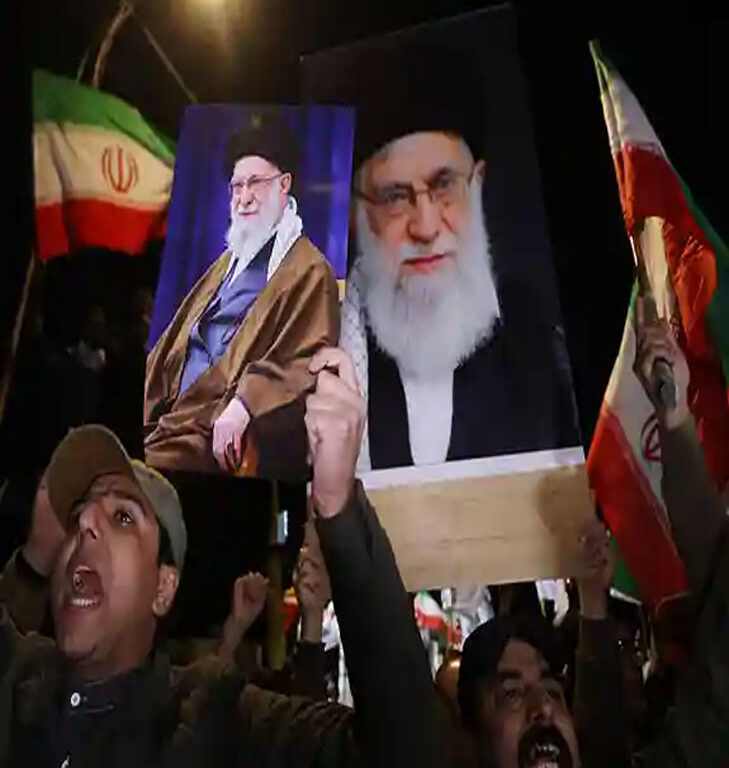
Before packing your bags, it helps to understand the landscape. The Iran conflict — encompassing a range of tensions including proxy conflicts, sanctions disputes, and episodic military escalations — has primarily affected airspace routing, shipping lanes through the Strait of Hormuz, and diplomatic relations between Iran and several Western nations.
For travellers moving between Dubai (UAE) and Muscat (Oman), the direct impact has been limited but not negligible. Some airlines have temporarily rerouted flights to avoid Iranian airspace, adding up to 90 minutes to certain routes. Ground travel through the UAE-Oman border remains unaffected by the conflict itself, though border crossing wait times can fluctuate with elevated regional security postures.
Crucially, Oman has historically played the role of diplomatic broker in the Gulf — it maintained open ties with Iran even during the height of regional isolation — which makes it one of the safest and most insulated destinations for international visitors during times of tension.
Pink Stone Travel recommends monitoring your home country's official travel advisories (UK FCDO, US State Department, or Australian DFAT) before travel and registering with your embassy in Oman as a precaution.
Citizens of most Western nations, GCC countries, and many Asian nations can obtain an Oman e-Visa online via the Royal Oman Police portal (evisa.rop.gov.om). The single-entry tourist visa costs approximately OMR 20 (around USD 52) and is valid for 30 days. Processing typically takes 24 to 72 hours, so apply at least a week before departure.
Travel insurance is non-negotiable during periods of elevated regional tension. Ensure your policy covers flight cancellations due to geopolitical events and emergency evacuation. Standard policies often exclude war zones — read the fine print carefully and choose a specialist provider if needed.
Flying remains the fastest and, during times of regional conflict, often the most straightforward option. The Dubai to Muscat flight takes approximately one hour on a clear routing and is operated by Emirates, flydubai, Oman Air, and Air Arabia. During periods of Iranian airspace closure or rerouting, expect this to extend to 90 minutes.
The overland drive from Dubai to Muscat is approximately 450 kilometres and takes 4.5 to 6 hours under normal conditions — longer during peak holiday periods or if border wait times increase. The primary crossing point for most travellers is the Hatta border post (Wajajah on the Omani side), which processes both vehicles and foot passengers.
A second route runs via Al Ain to the Mezyad-Mahadha border crossing, which tends to be less congested and is increasingly favoured by travellers with their own vehicles. This route also passes through Oman’s beautiful Al Batinah coastal plain before descending into Muscat.
The most budget-friendly option, the bus journey from Dubai’s Al Ghubaiba bus station to Muscat’s Ruwi terminal takes approximately 5.5 to 7 hours with border processing included. Mwasalat (Oman’s national transport company) and KCSC run daily services. Tickets should be purchased in advance during periods of high demand. This is a surprisingly comfortable journey with air conditioning and assigned seating — bring snacks, a neck pillow, and a fully charged power bank.
Border crossings are where regional tensions are most acutely felt at a traveller level. During periods of elevated security, both the UAE and Omani authorities may implement additional screening measures. Here is what to expect and how to handle it smoothly.
Pink Stone Travel tip: Cross mid-week (Tuesday or Wednesday) and aim for early morning departures before 9am to minimise border wait times. Weekends and the days immediately before and after Omani and UAE public holidays see significant traffic spikes that can add hours to your journey.
Whether you land at Muscat International Airport or roll across the border in your car, the Omani capital greets you with a startling sense of calm. The city is clean, well-organised, and remarkably unhurried for a Gulf capital — a quality that feels particularly welcome after a journey navigated under geopolitical anxiety.
Muscat itself is entirely safe for tourists. The Old Muscat area, the Sultan Qaboos Grand Mosque, Muttrah Souq, and the waterfront Corniche are all accessible and welcoming. Crime rates are exceptionally low, and Omanis are among the most hospitable people you will encounter anywhere on earth.
Travelling during a period of regional instability requires a different kind of situational awareness — not paranoia, but preparedness. Here is how to stay safe without letting anxiety dictate your experience.
The Dubai to Muscat route is not only viable during the current Iran conflict period — it is one of the most resilient travel corridors in the Middle East. Oman’s unique geopolitical position, its outstanding infrastructure, and the deeply ingrained Omani tradition of hospitality create a remarkably stable environment for visitors even when the broader region is experiencing turbulence.
The key is preparation: get your e-Visa early, choose your route thoughtfully, carry your documents in order, cross the border mid-week and early in the day, register with your embassy, and stay connected to reliable news sources. Do all of this, and you will find that Muscat rewards you with frankincense-scented souqs, dramatic mountain wadis, world-class seafood, and some of the most genuine warmth you will ever encounter from strangers who are, in every sense of the word, glad you came.
Travel is an act of courage. In uncertain times, it is also an act of faith — in other people, in other cultures, and in the shared humanity that borders were never truly meant to divide. Pack wisely. Travel boldly. Oman is waiting.
© 2026 Pink Stone Travel. All rights reserved. For informational purposes only.
Always verify current travel advisories with your government’s official foreign affairs department before travelling.