
When most travelers think of winter getaways, their minds drift toward crowded Caribbean beaches or overpriced European ski resorts. But there's a hidden gem that offers something truly special during the colder months: Oman. This Arabian Peninsula nation transforms into an absolute paradise between November and March, offering the kind of winter sun experience that feels both luxurious and authentically adventurous.
Oman's winter season is nothing short of magical. While much of the Northern Hemisphere shivers under gray skies and biting winds, Oman basks in temperatures that hover between 20-28°C (68-82°F). The oppressive summer heat has lifted, leaving behind perfect conditions for exploration. The air feels crisp in the mornings, warm and pleasant during the day, and comfortably cool in the evenings – ideal for everything from desert camping to mountain hiking.
What makes Oman's winter climate particularly special is its consistency. Unlike tropical destinations where winter can mean unpredictable rain showers, Oman offers reliably sunny days with minimal precipitation. The humidity drops to comfortable levels, and the clear blue skies seem to stretch endlessly over dramatic landscapes that range from rugged mountains to pristine coastlines.

Oman's coastline stretches for over 3,000 kilometers, and winter is the absolute best time to experience its diverse beaches. The waters of the Arabian Sea and Gulf of Oman remain warm enough for swimming, yet the air temperature prevents the overwhelming heat that makes summer beach days uncomfortable.
Head to Qurum Beach in Muscat for easy access and excellent facilities, or venture to the more secluded shores of Ras al Jinz, where you can witness green turtles nesting – a phenomenon that occurs year-round but is far more pleasant to observe during winter months. The beaches near Salalah offer a different character entirely, with their dramatic cliffs and the remnants of the khareef (monsoon) season creating an almost Mediterranean atmosphere.
For the truly adventurous, the Daymaniyat Islands provide some of the best snorkeling and diving in the Middle East. Winter's calmer seas and excellent visibility make it prime time to explore vibrant coral reefs teeming with tropical fish, rays, and even whale sharks if you're lucky.
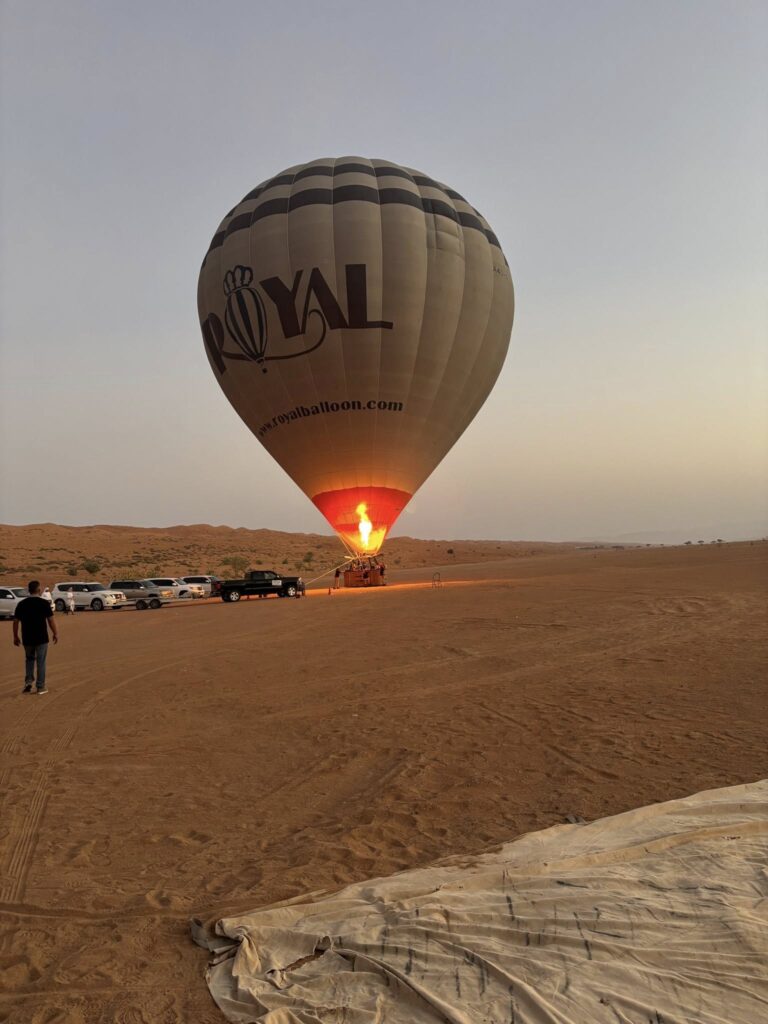
The Wahiba Sands desert becomes genuinely accessible during winter. Those towering orange dunes that glow impossibly golden at sunset? They're still there, but without the surface temperatures that could literally cook an egg during summer months. Winter makes desert activities not just bearable but genuinely enjoyable.
Spend a night at a Bedouin camp, where you can experience traditional Arabian hospitality under star-filled skies so clear they seem unreal to visitors from light-polluted cities. The temperature drops pleasantly at night, making campfires cozy rather than unbearable. Dune bashing, sandboarding, and camel treks become thrilling experiences rather than exercises in heat endurance.
The Empty Quarter (Rub' al Khali) becomes expedition-worthy during winter months. This vast desert, shared with Saudi Arabia, the UAE, and Yemen, offers some of the most pristine and dramatic sand landscapes on Earth. The cooler weather allows for longer explorations and the kind of profound desert silence that feeds the soul.

Few people associate Oman with mountains, but the Al Hajar range offers spectacular highland experiences that rival better-known mountain destinations. Jebel Shams, Oman's highest peak at over 3,000 meters, provides breathtaking views over what locals call Oman's "Grand Canyon" – a massive gorge with sheer cliff faces that plunge dramatically into the valley below.
Winter brings occasional light snow to the highest peaks, creating surreal scenes of white-dusted summages rising above date palm oases. The mountain villages, with their ancient stone houses and terraced farms, become even more photogenic under winter's perfect light. The famous Balcony Walk trail at Jebel Shams, which takes hikers along abandoned village paths carved into cliff faces, becomes completely accessible without the risk of heat exhaustion.
Jebel Akhdar, the "Green Mountain," lives up to its name most dramatically in winter when its famous rose gardens and fruit orchards flourish. The terraced farms seem to cascade down the mountainside in an ancient agricultural system that has functioned for centuries. Cool mountain air perfumed with rose and pomegranate creates an atmosphere that feels worlds away from typical Gulf destinations.
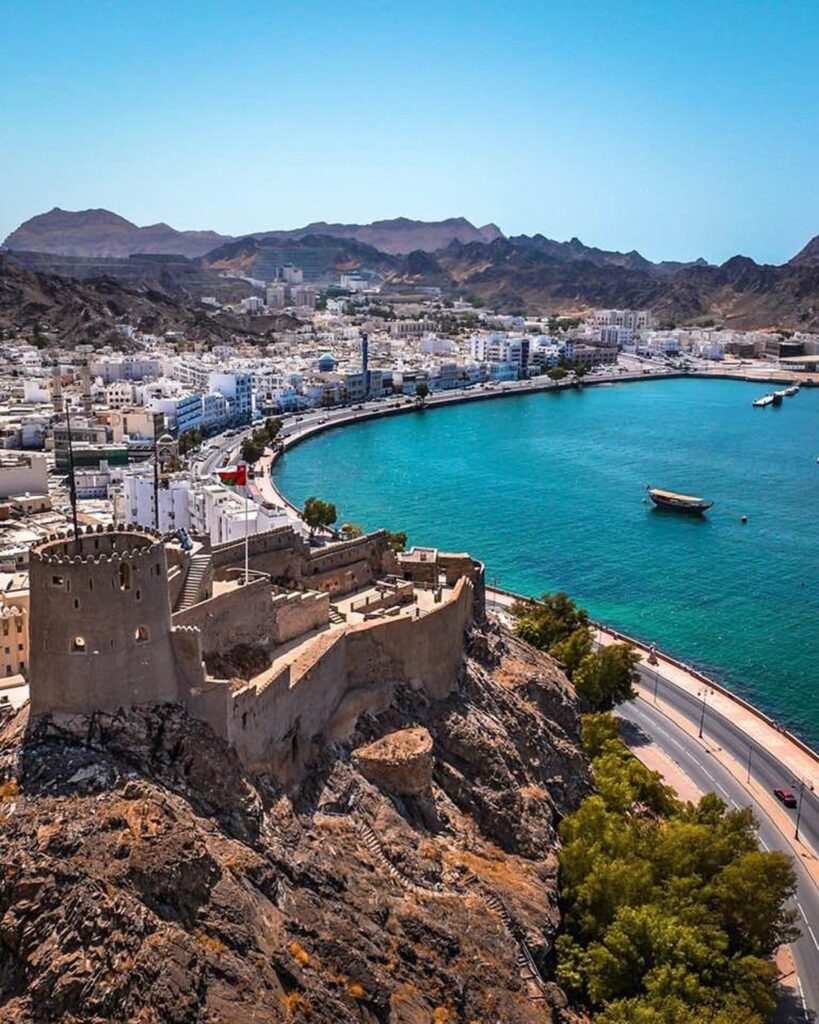
Exploring Oman's rich cultural heritage becomes far more enjoyable when you're not battling extreme heat. The restored forts and castles that dot the landscape – Nizwa Fort, Bahla Fort, Nakhal Fort – reward visitors with panoramic views and fascinating glimpses into Oman's complex history. Winter weather makes climbing their towers and exploring their passages genuinely pleasant.
The traditional souqs (markets) burst with activity during the cooler months. Muttrah Souq in Muscat, one of the oldest markets in the Arab world, becomes a sensory wonderland where you can browse frankincense, silver jewelry, textiles, and spices without feeling overwhelmed by heat. The evening hours, when the souq truly comes alive with locals shopping and socializing, coincide perfectly with comfortable temperatures.
Winter also aligns with various cultural festivals and events. The Muscat Festival, typically held in January and February, showcases Omani culture through traditional performances, handicraft exhibitions, and food celebrations. The cooler weather encourages outdoor activities and gatherings that give visitors authentic insights into Omani life.

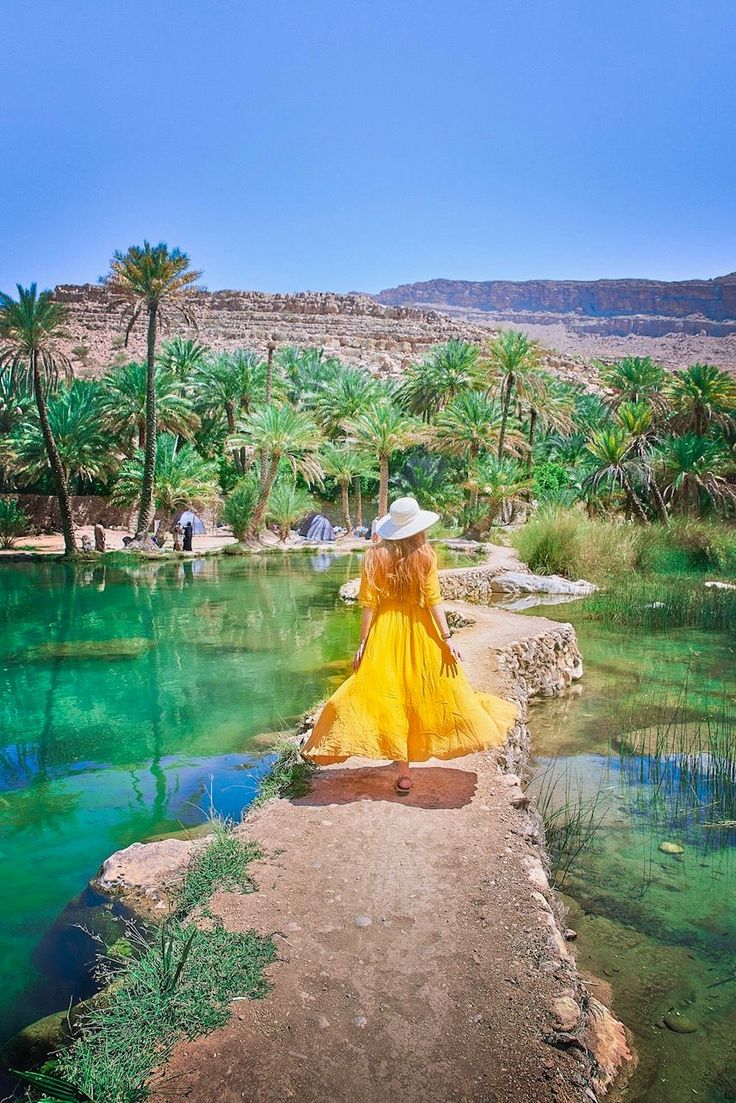
Wadis – seasonal river valleys that carve through Oman's rocky landscape – become absolute highlights during winter. These natural swimming holes and dramatic gorges offer refreshing escapes, but during summer they can be either dry or dangerously flooded. Winter provides the sweet spot.
Wadi Shab, perhaps Oman's most famous wadi, requires a hike through a narrow canyon that opens into stunning turquoise pools. The journey culminates in a cave housing a waterfall that you can swim to – an experience that feels like discovering a secret paradise. The winter temperatures make the hike comfortable and the water refreshingly cool rather than teeth-chatteringly cold.
Wadi Bani Khalid offers easily accessible pools that families love, while Wadi Tiwi and Wadi al Arbeieen challenge hikers with more remote settings and dramatic scenery. The water levels during winter are typically ideal – enough to fill the pools beautifully without creating dangerous currents.
One of Oman's greatest advantages as a winter sun destination is its accessibility and safety. The country has invested heavily in tourism infrastructure while maintaining its authentic character. Roads are excellent, signage is clear, and services cater well to international visitors while retaining distinctly Omani character.
Muscat's international airport connects well to European, Asian, and Gulf cities, with many airlines offering increased winter services to meet demand. The country's small size means you can experience diverse landscapes – from beaches to mountains to deserts – without spending days in transit.
Oman's reputation as one of the safest countries in the Middle East is well-deserved. The Omani people are known for their warmth and hospitality, welcoming visitors with genuine friendliness rather than aggressive tourism tactics. Women travelers, including solo travelers, consistently report feeling safe and respected.


Wadis – seasonal river valleys that carve through Oman's rocky landscape – become absolute highlights during winter. These natural swimming holes and dramatic gorges offer refreshing escapes, but during summer they can be either dry or dangerously flooded. Winter provides the sweet spot.
Wadi Shab, perhaps Oman's most famous wadi, requires a hike through a narrow canyon that opens into stunning turquoise pools. The journey culminates in a cave housing a waterfall that you can swim to – an experience that feels like discovering a secret paradise. The winter temperatures make the hike comfortable and the water refreshingly cool rather than teeth-chatteringly cold.
Wadi Bani Khalid offers easily accessible pools that families love, while Wadi Tiwi and Wadi al Arbeieen challenge hikers with more remote settings and dramatic scenery. The water levels during winter are typically ideal – enough to fill the pools beautifully without creating dangerous currents.
Omani cuisine deserves far more recognition than it receives, and winter provides ideal conditions for exploring it. The national dish, shuwa – lamb marinated in spices and slow-cooked in underground sand ovens – becomes a feast to seek out at cultural events and traditional restaurants. The blend of Arab, Indian, East African, and Persian influences creates flavor profiles that surprise and delight.
Fresh seafood dominates coastal menus, with catches like kingfish, tuna, and lobster prepared in ways that reflect centuries of maritime tradition. Dates – Oman produces over 250 varieties – become the star of countless dishes and snacks. The Omani halwa, a gelatinous sweet flavored with rose water, saffron, and nuts, provides an energy boost during adventures.
Omani coffee, served with dates as a welcoming gesture, differs significantly from the strong brews found elsewhere in the Arab world. Flavored with cardamom and often served in tiny cups, it's more of an experience than a beverage. Winter evenings call for this ritual, perhaps enjoyed while watching the sunset over desert dunes or mountain valleys.


Oman's approach to tourism emphasizes quality over quantity and preservation over exploitation. The country has largely avoided the mega-resort developments that have transformed other Gulf destinations, instead promoting sustainable tourism that benefits local communities and preserves natural environments.
This philosophy means winter visitors can experience Oman in ways that feel authentic and responsible. Many accommodations are locally owned and operated, employing Omanis and supporting traditional crafts. Tour operators increasingly focus on eco-friendly practices, from desert camps that leave minimal environmental footprints to diving operations that prioritize reef conservation.
The government's designation of nature reserves and protected areas ensures that Oman's remarkable biodiversity and landscapes will remain intact for future generations. As a visitor, you can explore these places knowing your presence supports conservation efforts rather than undermining them.
Beyond the practical reasons to choose Oman for your winter escape lies something harder to quantify – the country's unique atmosphere. There's a sense of timelessness here, where ancient forts overlook modern highways, where Bedouin traditions coexist with contemporary development, and where desert silence still holds profound power.
Omanis take genuine pride in their heritage and eagerly share it with visitors. Unlike destinations where tourism has bred cynicism, hospitality in Oman feels authentic. The pace of life remains unhurried, encouraging visitors to slow down, look around, and truly experience rather than just photograph.
Winter intensifies this magic. The perfect weather invites you to linger – at a mountain viewpoint, on a quiet beach, in a frankincense-scented souq. You have time to notice details: the way light plays across sand dunes, the architectural genius of ancient irrigation systems, the craftsmanship in a handwoven basket.
Planning an Oman winter escape requires some consideration, but the reward far exceeds the effort. December through February represents peak season, so booking accommodations and popular experiences in advance is wise. However, November and March offer nearly identical weather with fewer crowds and often better prices. A week allows you to sample Oman's diversity – a few days in Muscat exploring the capital's blend of old and new, a night or two in the desert, time in the mountains, and perhaps a beach day or wadi adventure. Two weeks lets you delve deeper, perhaps adding Salalah's distinct southern character or more remote adventures in the interior.
Four-wheel-drive vehicles, while not absolutely necessary, dramatically expand your options. Many of Oman's most spectacular locations require navigating unpaved roads, wadi crossings, or desert tracks. Alternatively, hiring guides or joining tours provides access without the navigation challenges.
Oman's winter sun offers something increasingly rare: a destination that delivers adventure, relaxation, culture, and natural beauty without feeling overrun or artificial. It's a place where you can challenge yourself hiking mountain trails one day and float peacefully in a turquoise wadi pool the next. Where you can experience profound desert solitude yet enjoy sophisticated urban amenities.
As winter gray settles over much of the world, Oman glows with golden light, warm waters, and genuine hospitality. It's not just an escape from cold weather – it's an invitation to experience a land that honors its past while embracing its future, that protects its natural treasures while welcoming curious travelers. This winter, consider trading the ordinary for the extraordinary. Try Oman's winter sun and discover your perfect escape.
Book Oman tour packages. Discover Oman tours from Oman at Pinkstone Travel, one of the reputed best travel agencies in Oman. We are known for our client servicing and competitive rates, which make us unique.