
For Omani families seeking an unforgettable getaway that blends world-class entertainment, shopping extravagance, and cultural richness, the United Arab Emirates stands as the perfect destination.
Medical tourism has become one of the fastest-growing segments in global travel, and India stands at the forefront as a preferred destination for affordable, high-quality, and specialized healthcare. For travelers from Oman, India’s healthcare landscape offers the ideal blend of advanced medical expertise, internationally accredited hospitals, quick access to treatment, and pocket-friendly pricing. A significant amount of Omani travel today centers around specialized medical care—often sponsored by the Omani government or supported through private health insurance. Recent data on public hospital referrals abroad highlight a growing preference among Omani citizens to seek advanced and reliable treatment options overseas, with India consistently ranking among the top choices.
In the landscape of global medical tourism, a remarkable pattern has emerged that speaks volumes about healthcare accessibility, quality, and affordability. Omanis seeking specialized medical treatment abroad have increasingly turned their attention eastward, with India becoming their destination of choice. This phenomenon represents more than just statistics—it tells a story of trust, efficiency, and the evolving dynamics of international healthcare.
Medical tourism, increasingly recognized as "medical value travel," has become a significant aspect of modern healthcare systems worldwide. For Oman, a nation that has built an impressive domestic healthcare infrastructure since the 1970s, the decision to send patients abroad for specialized care reflects both the limitations inherent in serving a relatively small population and the pragmatic approach to ensuring citizens receive the best possible treatment.

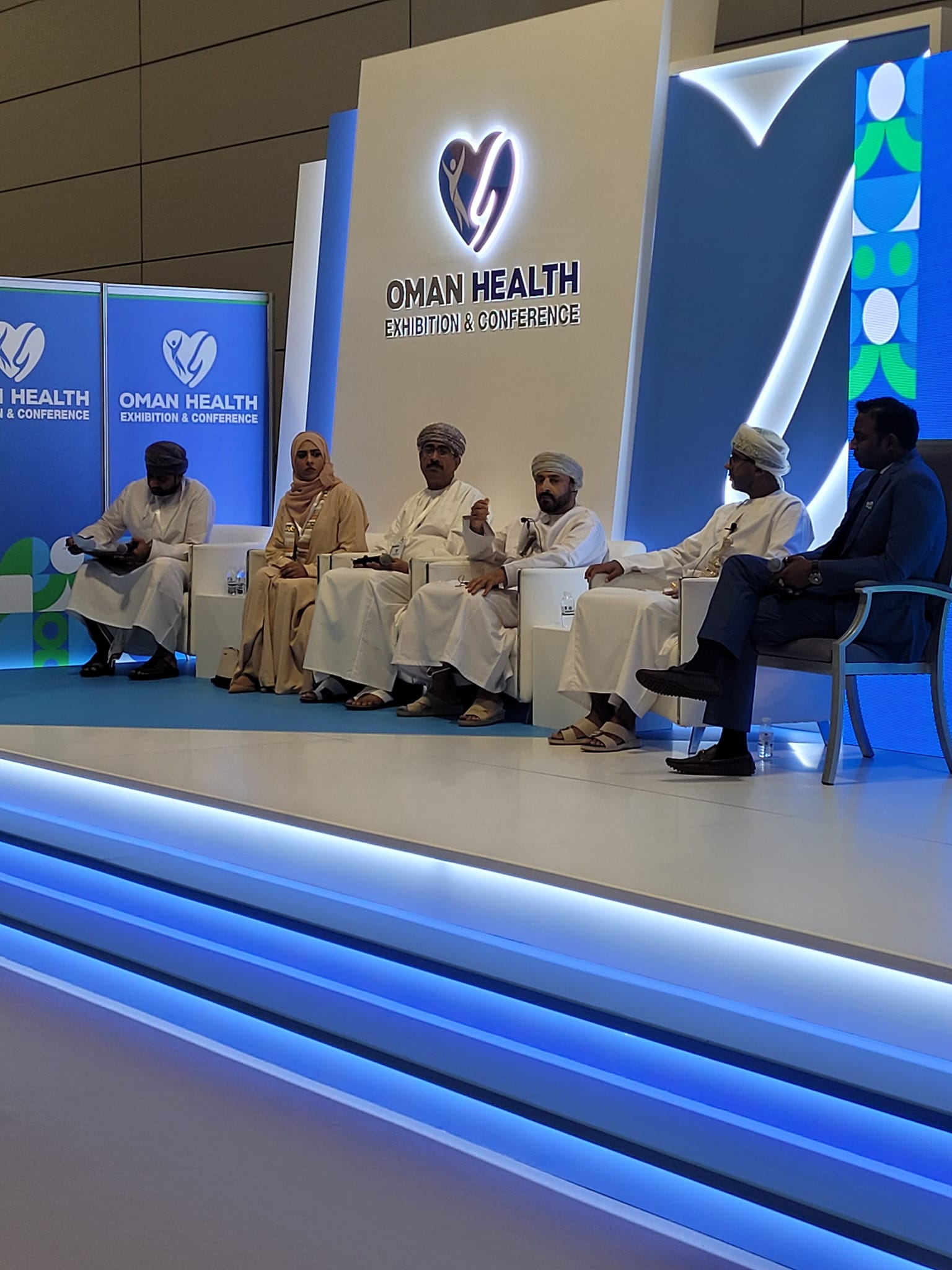
Recent demographic data from public hospitals in Oman reveals an overwhelming preference for India as a medical destination. The statistics are striking and undeniable: India accounts for approximately 82% of all government-sponsored medical tourism from Oman, with Turkey following at a distant 14%, Thailand at less than 1%, and the United Arab Emirates at 0.8%.
In 2024 alone, over 10,400 Omani medical tourists traveled to India, making Oman one of the top source countries for medical visitors to the subcontinent. This represents part of a larger trend, with India welcoming more than 644,000 foreign medical tourists in 2024, up dramatically from approximately 183,000 in 2020. The overall Indian medical tourism industry, valued at 87,050 crore rupees in 2024, continues its upward trajectory with projections indicating growth to 425,630 crore rupees by 2034.
For Omani patients specifically, the relationship with Indian healthcare has become deeply entrenched, built on decades of geohistorical connections, cultural affinities, and practical considerations, including geographical proximity and extensive labor migration patterns between the two nations.
The Omani government's commitment to healthcare access manifests through a comprehensive Treatment Abroad program administered by the Department of Treatment Abroad (DoTA) within the Ministry of Health. Established under the oversight of the National Committee for Treatment Abroad in 1994, this program ensures that when specialized treatments are unavailable domestically, Omani citizens can access them internationally without financial burden.
The program covers an impressive range of expenses: medical treatment costs, round-trip airfare, accommodation, daily subsistence allowances, and even support for companions and medical escorts for elderly or disabled patients. The Ministry of Health sponsors between 350 and 1,600 patients annually for treatment abroad, depending on the year and healthcare demands. This comprehensive coverage ensures that no Omani citizen is denied necessary medical care due to financial constraints or domestic healthcare limitations.
However, government-sponsored travel represents only part of the picture. Many Omanis independently choose to seek treatment abroad, driven by various factors including perceived quality differences, waiting times, privacy concerns, or simply following recommendations from family and friends who have had positive experiences overseas.

The medical conditions that lead Omani patients to India reveal the specialized nature of their healthcare needs. Liver transplantation consistently ranks as the top procedure, followed closely by bone marrow transplantation, penetrating keratoplasty (corneal transplant) surgery, and treatment for retinoblastoma (a pediatric eye cancer).
The demographic patterns are equally revealing. For middle-aged and older adult males, liver cirrhosis represents the most common diagnosis requiring overseas treatment. Older adults frequently seek care for Parkinson's disease and prostate cancer. Children and young patients often travel for cancer treatments, congenital conditions, and specialized surgeries not routinely available in Oman.
Orthopedic conditions have also historically driven significant medical tourism from Oman. Earlier studies indicated that orthopedic ailments were among the most frequent reasons for seeking treatment abroad, with patients pursuing joint replacements, spinal surgeries, and other complex musculoskeletal procedures.
Cardiac surgeries, oncology treatments, neurosciences specialties, and reproductive health services round out the common treatment categories. The diversity of conditions reflects India's comprehensive medical capabilities across multiple specialties.
What makes India such an attractive destination for Omani medical tourists? The answer lies in a convergence of factors that create exceptional value for international patients.
Perhaps the most significant draw is cost. India offers specialized medical procedures at a fraction of the cost found in Western countries or even some Middle Eastern nations. A liver transplant in India typically ranges from 20 to 30 lakh rupees (approximately $25,000 to $37,500), while the same procedure in the United States can exceed $577,000. Coronary artery bypass surgery costs around $25,000 in India compared to $200,000 in the United States. These dramatic cost differences make India accessible even for patients who might be funding their own care or seeking treatments not covered by government sponsorship.
For Omani patients whose treatment is government-funded, the cost-effectiveness allows the healthcare system to serve more patients and allocate resources more efficiently. For those traveling independently, the affordability makes advanced treatments accessible that might otherwise be prohibitively expensive.


India's major metropolitan areas—Delhi, Mumbai, Chennai, Bangalore, and Hyderabad—host internationally accredited hospitals with cutting-edge technology and facilities. Institutions like Apollo Hospitals, Medanta, Fortis Healthcare, Max Super Specialty Hospital, Continental Hospitals, and others maintain standards comparable to leading Western medical centers.
Many of these hospitals have earned accreditation from the Joint Commission International (JCI) and the National Accreditation Board for Hospitals and Healthcare Providers (NABH), ensuring adherence to rigorous quality standards. The facilities feature advanced diagnostic imaging, modern intensive care units specifically designed for transplant patients, state-of-the-art operating theaters, and comprehensive rehabilitation services.
India's medical professionals are among its greatest assets in the healthcare tourism sector. Many Indian surgeons and specialists have trained internationally and bring global expertise to their practice. The country performs over 3,500 liver transplants annually, with approximately 70% involving living donors—a testament to the sophistication and experience of Indian transplant teams.
The success rates speak for themselves. Liver transplant success rates in India typically range from 85-90% for one-year survival and 70-75% for five-year survival, matching or exceeding international benchmarks. These outcomes reflect not just surgical skill but comprehensive pre-operative assessment, meticulous surgical technique, and thorough post-operative care protocols.
For Omani patients, particularly those from regions with historical ties to the Indian subcontinent, India offers a degree of cultural familiarity not found in all international destinations. English proficiency among Indian medical professionals facilitates clear communication, essential for informed consent and understanding complex treatment plans.
Moreover, the presence of substantial expatriate communities and medical tourism facilitators who understand Arab culture helps Omani patients navigate the healthcare system more comfortably. Many major hospitals employ international patient coordinators specifically to assist with language, cultural considerations, and logistical arrangements.
India's geographic location relative to Oman provides practical advantages. Flight times are reasonable, typically ranging from three to five hours depending on the destination city within India. This proximity matters significantly when patients require follow-up visits, when medical escorts need to travel, or when family members wish to provide support during treatment and recovery.
Direct flights and well-established travel routes between Muscat and major Indian cities further ease the journey for patients who may already be dealing with serious health conditions.
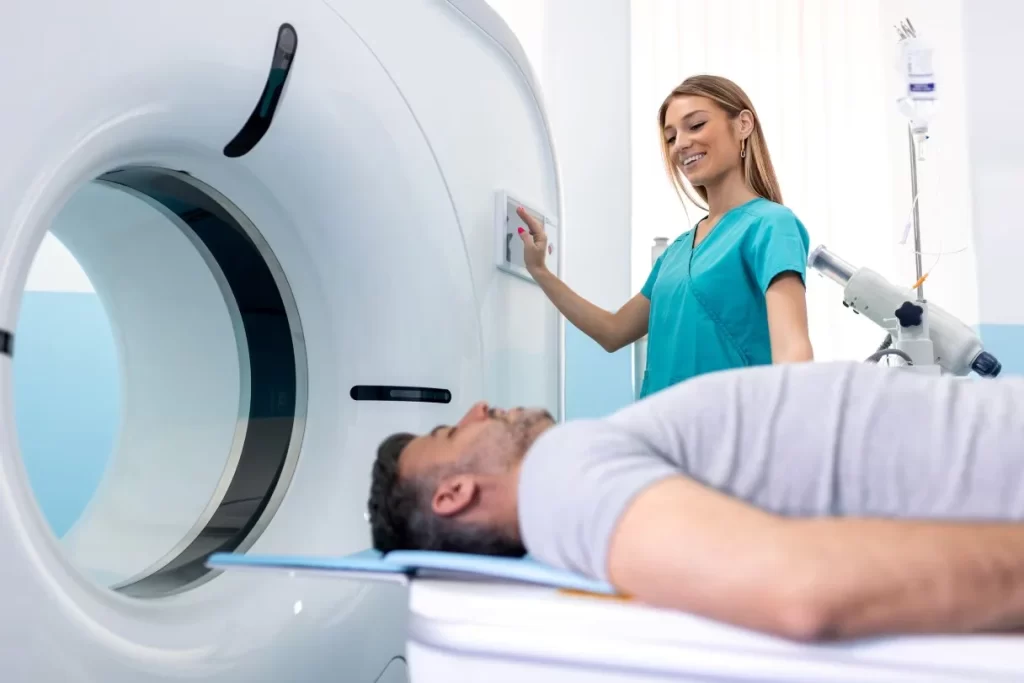
When examining the medical conditions driving this travel, the research identified:
Liver transplants as the topmost medical procedure
Bone marrow transplants as the second most common
Ophthalmological conditions including retinoblastoma and penetrating keratoplasty surgery
Chronic conditions such as epilepsy, Parkinson’s disease, and prostate cancer
This data underscores the critical nature of the medical care being sought—often complex procedures requiring highly specialized expertise and technology that may be limited or unavailable in Oman. The substantial pediatric percentage further emphasizes the trust Omani families place in Indian healthcare institutions for their most vulnerable members.
India is home to some of the most advanced healthcare institutions in Asia. Numerous hospitals in Delhi, Mumbai, Chennai, Hyderabad, and Bengaluru hold international accreditations from bodies such as the Joint Commission International (JCI) and the National Accreditation Board for Hospitals (NABH). These institutions offer cutting-edge technology—including robotic surgery, advanced cancer treatment facilities, specialized transplant units, and modern cardiac care.
Top Indian hospitals that frequently receive Omani patients include:
Apollo Hospitals
Fortis Healthcare
Max Hospitals
Medanta – The Medicity
Narayana Health
Aster Hospitals (Indian branch)
These hospitals offer a multidisciplinary approach to medicine, ensuring that complex cases—such as organ transplants, cancer treatments, neurological disorders, and rare diseases—are managed by highly experienced specialists.
The significant cost savings available in India represent one of the most compelling factors for Omani patients. Most estimates indicate that treatment costs in India start at approximately one-tenth of the price of comparable treatment in the United States or United Kingdom.
Specifically, patients can achieve 60-80% cost savings on major surgeries like open-heart procedures, organ transplants, or cancer treatments.
This dramatic difference makes advanced medical care accessible to a broader segment of the Omani population, whether funded by government programs, private insurance, or personal resources.
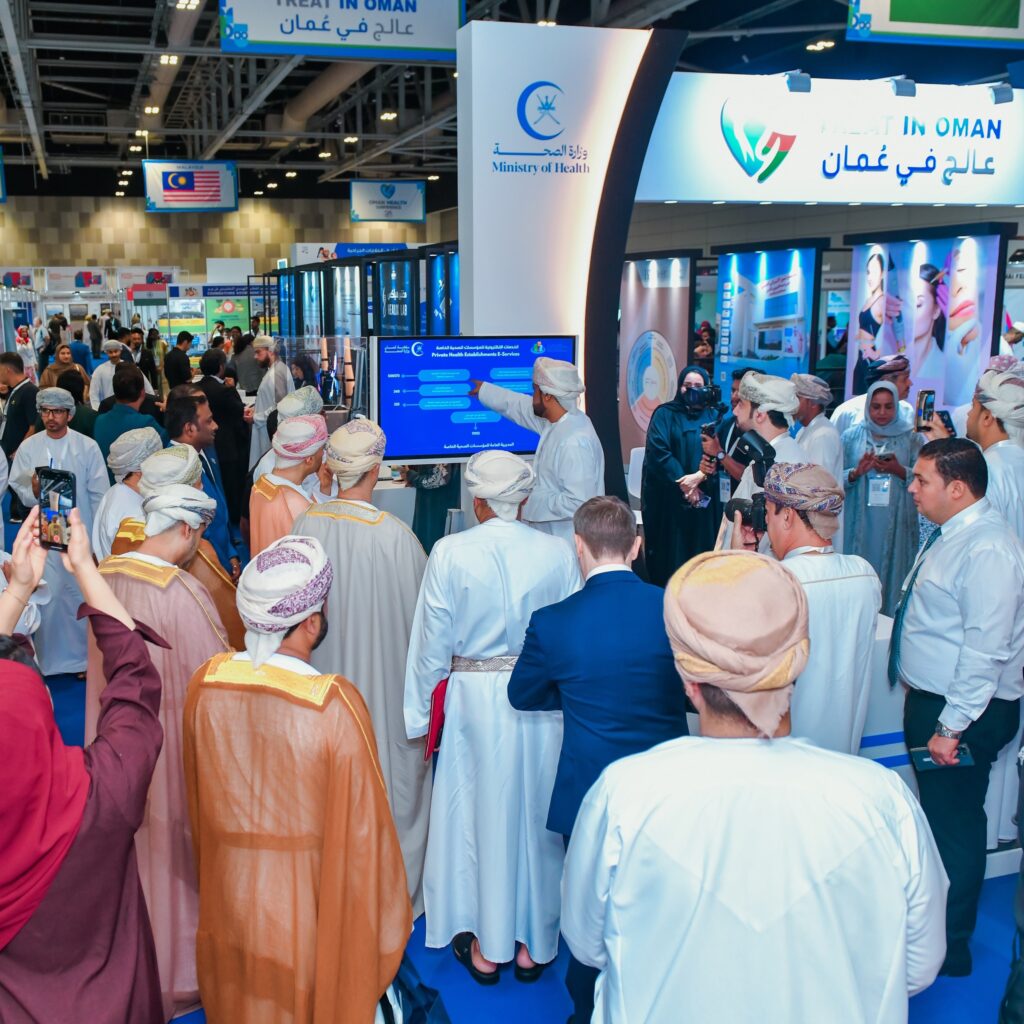
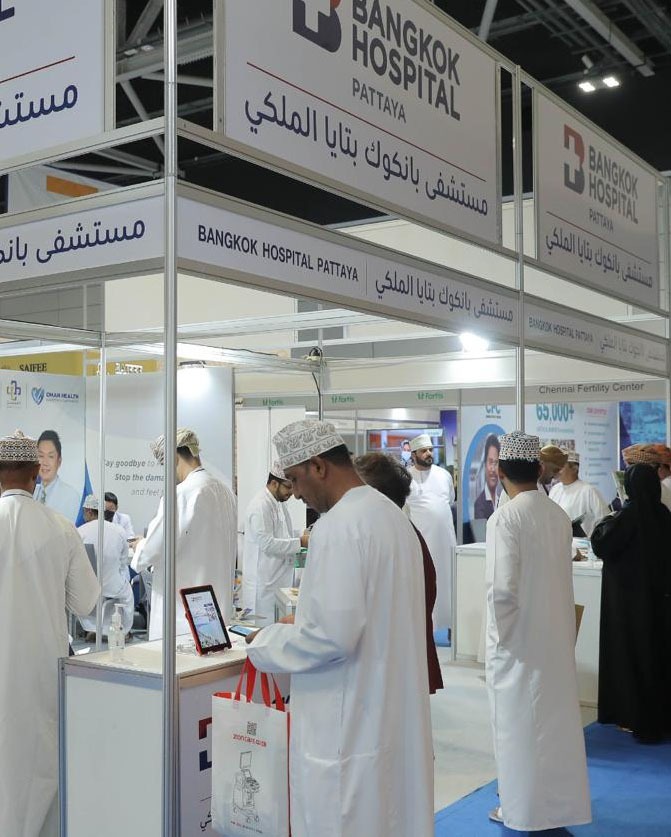
Both Omani and Indian governments have implemented policies that facilitate medical travel. Oman's government often provides funding or logistical assistance for patients to receive treatment abroad, particularly when specialized care isn't available locally.
Meanwhile, India has introduced several measures to streamline medical travel, including:
E-medical visa facilities with faster approvals for international patients
The "Ayush Visa" category specifically for foreign nationals seeking traditional healthcare treatments
Simplified medical visa norms that allow foreigners to receive most medical treatments without a specific medical visa
These governmental efforts significantly reduce administrative barriers, making the journey toward better health smoother for Omani patients.
While India boasts numerous cities with world-class healthcare facilities, several have emerged as particularly prominent for Omani patients:
Chennai: Often termed “India’s health capital,” Chennai attracts about 45% of health tourists arriving in India from abroad. The city is renowned for its multispecialty and superspecialty hospitals that bring in an estimated 150 international patients daily.
Delhi: The capital city offers top-notch facilities for complex procedures including heart surgeries, cancer treatment, and organ transplants at institutions like AIIMS, Fortis Healthcare, and Max Healthcare.
Kerala: A particular favorite among Omani patients, Kerala offers a unique combination of advanced modern medical care alongside traditional Ayurvedic treatments. Hospitals here often employ Arabic-speaking staff and accommodate cultural preferences, creating a “home away from home” experience.
Mumbai: Known as a global medical hub, Mumbai excels in specialized areas like cancer care at Tata Memorial Hospital and advanced cardiac and neurosurgical procedures.
Hyderabad: An upcoming medical tourism destination known for its focus on technology and innovation, particularly in cardiology, orthopedics, and stem cell treatments.
Table: Top Indian Hospitals for International Patients
| Hospital Name | Location | Key Specializations |
|---|---|---|
| All India Institute of Medical Sciences (AIIMS) | Delhi | Multi-specialty, research, and education |
| Medanta The Medicity | Gurugram | Cardiac care, neurosciences, orthopedics |
| Apollo Hospitals | Multiple locations | Comprehensive multi-specialty care |
| Christian Medical College | Vellore | Complex medical and surgical cases |
| Kokilaben Dhirubhai Ambani Hospital | Mumbai | Integrated medical services |
India has launched several strategic initiatives to reinforce its position as a global healthcare destination. The “Heal in India” program stands at the forefront of these efforts, aiming to systematically promote Medical Value Travel through collaboration with private sector enterprises
. This initiative is part of a broader vision to increase the healthcare sector’s contribution to India’s economy while making quality healthcare more accessible to international patients.
Additional government measures include:
Increased funding allocations for the healthcare sector, with Rs 95,957.87 crore (approximately $9.5 billion) directed toward building a patient-centric ecosystem
Tax incentives for hospitals catering to international patients
Plans to establish 200 cancer daycare centers across the country
Exemption of 36 life-saving drugs from basic customs duty to reduce financial burden on patients
These policy interventions have already demonstrated impact, with ICRA reporting a 33% year-over-year increase in India’s medical tourism footfall in 2023. The number of medical visitors was expected to cross the 700,000 mark in 2024, with further growth anticipated as government initiatives take full effect .
For Omani citizens, the journey to Indian healthcare begins well before departure. The process typically involves:
Initial Diagnosis and Referral: Patients usually receive initial diagnoses in Oman, with physicians often participating in the decision to seek treatment abroad when specialized care is required.
Medical Visa Processing: India’s e-medical visa facility has simplified this process, allowing Omani citizens to obtain visas specifically for medical purposes with a maximum duration of six months.
Treatment Coordination: Many patients work with medical tourism facilitators who help arrange hospital appointments, travel, and accommodation, creating a seamless experience.
Travel and Accommodation: Direct flights connect Oman to major Indian cities, with many hospitals providing assistance with local transportation and housing options for accompanying family members.
Recognizing the importance of comfort and communication during medical treatment, many Indian hospitals have implemented comprehensive support systems for Omani and other international patients. These include:
Arabic-speaking staff and interpreters to bridge language barriers
Culturally appropriate meals that include familiar dishes like Al Faham and Mandi
International patient desks that specifically address the needs of foreign patients
Social and psychological support to help patients and families cope with the stress of medical treatment away from home
This attention to cultural details has significantly enhanced the patient experience, contributing to high satisfaction rates among Omani medical travelers.
The relationship between Indian healthcare providers and Omani patients often extends beyond the immediate treatment period. Many hospitals offer:
Telemedicine follow-ups that allow patients to consult with their Indian doctors after returning home
Coordination with local physicians in Oman to ensure continuity of care
Medical tourism companies that specialize in facilitating ongoing care for patients from Arabic-speaking countries
This comprehensive approach to the patient journey—from initial consultation through recovery and follow-up—has been instrumental in building long-term trust between Omani patients and Indian healthcare providers.
As the Oman-India medical tourism relationship evolves, several trends are shaping its future:
The remarkable growth of medical tourism from Oman to India represents a classic case of symbiotic relationship. For Oman, it means increased access to specialized healthcare that might otherwise be unavailable or unaffordable. For India, it brings economic benefits and opportunities for healthcare sector growth. The Indian medical tourism sector was valued at approximately $9 billion in 2022 and is expected to reach $13 billion by 2026.
This partnership also generates broader benefits, including:
Enhanced diplomatic and cultural ties between the two nations
Knowledge transfer as Indian healthcare providers deepen their understanding of Omani patient needs and preferences
Job creation in both countries across healthcare, hospitality, and related sectors
The story of Omani patients traveling to India for medical treatment offers powerful insights into the evolving landscape of global healthcare. It demonstrates how strategic partnerships between nations can create win-win scenarios that transcend mere economic transactions to become relationships built on trust, quality, and mutual respect.
As both countries continue to invest in and develop their healthcare systems, this medical corridor stands as a testament to the power of cross-cultural collaboration in addressing some of humanity’s most fundamental needs—health, healing, and hope. For Omani citizens in need of specialized medical care, India has become more than just a destination; it has become a partner in their journey toward better health, supported by government initiatives, cultural familiarity, and world-class medical expertise.
The future of this relationship appears bright, with opportunities for expanded collaboration in medical research, education, and the continued exchange of expertise. As one observer noted, “From Omani families travelling to Indian hospitals to Indian doctors shaping healthcare services within Oman, the partnership has only grown stronger. As both countries invest further in medical tourism, the future holds promise of deeper collaboration, greater choice for patients, and a shared role in shaping a healthier world.”
Pink Stone Travel stands as a reliable partner throughout the entire journey—ensuring safe travel, trusted hospital access, clear communication, and complete travel management.
Whether it’s cardiac surgery, cancer care, joint replacement, neurology, fertility treatment, or organ transplantation, India offers hope, healing, and high-quality treatment—backed by expert support from Pink Stone Travel.
Explore world-class medical expertise, affordable pricing, quick access, and successful outcomes Book with Pinkstone Travel today for medical tourism from Oman to India. Discover the medical tour from Oman to India with Pinkstone Travel, one of the most reputed and best travel agencies in Oman. Your family’s unforgettable medical journey to India starts here.