
The Ultimate Travel Guide for an Unforgettable Arabian Journey
While Dubai’s skyscrapers pierce the clouds and Saudi Arabia unveils billion-dollar mega-projects, Oman remains the Middle East’s best-kept secret—a land where ancient traditions meet dramatic landscapes, and authenticity trumps extravagance. As 2026 unfolds, this Arabian jewel is experiencing a renaissance, offering travelers something increasingly rare in our modern world: genuine connection, untouched wilderness, and the space to breathe.
If you’re contemplating where to direct your wanderlust this year, Oman deserves a prominent place on your shortlist. Here’s everything you need to know before embarking on your Omani adventure.
The timing for an Omani expedition has never been more opportune. The Sultanate is undergoing a strategic transformation as part of its Vision 2040 framework, positioning tourism as a cornerstone of economic diversification while maintaining an unwavering commitment to preserving its cultural heritage and natural environment.
Recent developments signal exciting changes ahead. A new GCC Unified Tourist Visa launching in early 2026 will allow seamless travel between Oman, the UAE, Saudi Arabia, Qatar, Bahrain, and Kuwait—think of it as the Middle East’s answer to Europe’s Schengen visa. This groundbreaking initiative means you can combine three days of Dubai’s high-octane energy with a week exploring Oman’s serene mountains and pristine fjords, all on a single visa.
Infrastructure investments are transforming accessibility too. The Muscat Expressway expansion, included in Oman’s 2026 State General Budget with substantial funding allocated for road development, will dramatically improve connections between major tourist sites, making it easier than ever to navigate from the capital’s crystal beaches to ancient mountain forts.
Meanwhile, tourism numbers continue their upward trajectory. Hotel guest numbers rose by nearly 11% through November 2025, with revenues at premium properties jumping over 21%, reflecting growing international recognition of Oman’s unique appeal. Yet the country remains refreshingly uncrowded compared to its neighbors—you’ll still find wadis where you’re the only visitor and desert camps under star-carpeted skies far from any crowd.
Perhaps the most significant development for international travelers is the upcoming GCC Unified Tourist Visa. While initially planned for 2025, officials confirmed the visa will launch in 2026 following completion of security alignments and technical integrations between member states.
This single visa will grant access to all six Gulf Cooperation Council countries, eliminating the bureaucratic headache of securing multiple visas for regional exploration. The expected duration is approximately 30 days, though final regulations are still being finalized. For travelers, this represents extraordinary value—imagine witnessing sunrise over Oman’s Empty Quarter, shopping in Dubai’s futuristic malls, and exploring Saudi Arabia’s ancient Nabataean ruins, all on one streamlined permit.
Until the unified visa becomes operational, travelers must continue following current visa requirements for Oman. The good news? Most nationalities can easily obtain an Oman eVisa through the Royal Oman Police’s online platform. The process is straightforward, typically requiring a passport valid for at least six months beyond your entry date, accommodation details, and proof of sufficient funds for your stay.
Oman’s climate follows a simple rule: avoid the scorching summer months (June through August) unless you’re specifically targeting the southern Dhofar region during its unique monsoon season.
Peak Season (October through March): This represents the golden window for Omani exploration. Temperatures hover between a pleasant 17°C and 35°C, creating ideal conditions for outdoor adventures—from desert camping and mountain trekking to coastal explorations. Winter nights can be surprisingly cool, especially in mountainous regions, so pack layers.
December through February brings the coolest temperatures of the year, with Muscat enjoying comfortable mid-20s during the day. These months also host the spectacular Muscat Festival, a month-long celebration of Omani art, culture, and heritage that transforms the capital into a vibrant cultural showcase. The Muscat Nights festival, which kicked off January 1, 2026, is expected to attract over 2 million visitors across multiple iconic locations, featuring everything from traditional performances to modern entertainment.
Shoulder Season (April through May and September through October): These transitional periods offer excellent value with fewer crowds and pleasant temperatures, though April and May see the mercury beginning its upward climb. March and April bring another spectacular bonus—the rose-blooming season in the Jebel Akhdar Mountains, when the famous Damask roses fill the air with their intoxicating fragrance.
September and October herald the autumn harvest, with markets overflowing with pomegranates, grapes, olives, and walnuts. These months also mark the tail end of turtle nesting season at Ras Al Jinz, offering opportunities to witness both nesting mothers and tiny hatchlings making their moonlit dash to the sea.
The Khareef Exception (June through September): While most of Oman swelters under summer’s intensity, the southern Dhofar region around Salalah transforms into an unexpected oasis. The khareef, or monsoon season, brings cooling mists and rains that transform the typically arid landscape into a lush, green paradise dotted with seasonal waterfalls. Temperatures drop to a comfortable 20-30°C, and the annual Salalah Tourism Festival celebrates this meteorological miracle with cultural performances, traditional dances, and culinary showcases.
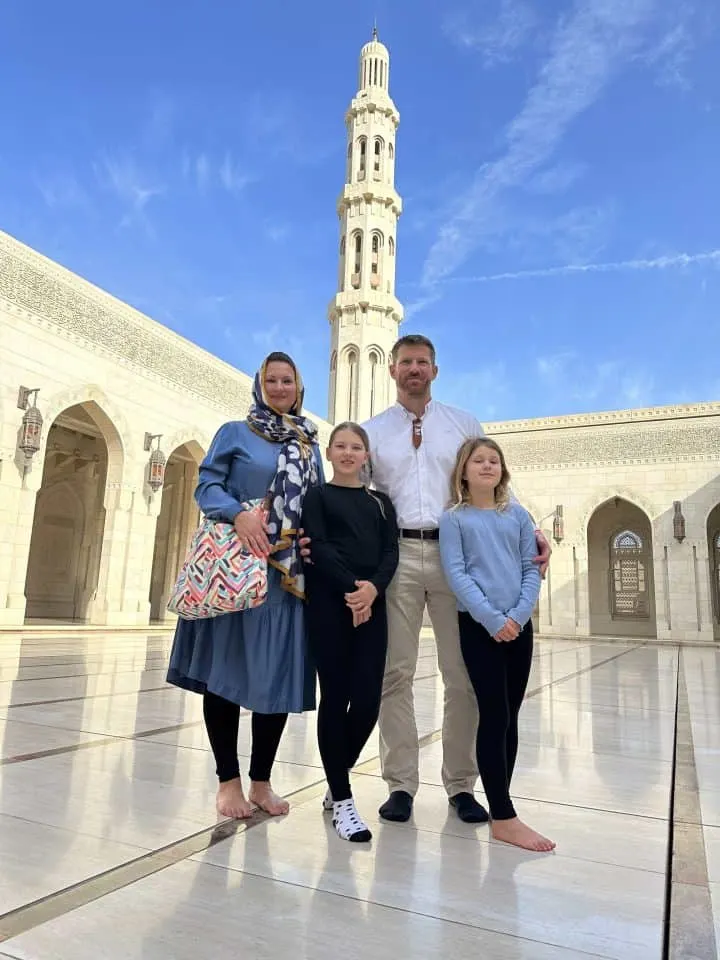
The capital city strikes an elegant balance between contemporary luxury and historic preservation. The Sultan Qaboos Grand Mosque stands as an architectural masterpiece, housing the world's second-largest hand-woven carpet and accommodating 20,000 worshippers beneath its stunning chandelier. The old port area of Muttrah offers labyrinthine souks where frankincense smoke mingles with spice aromas, and silver craftsmen continue centuries-old traditions.
The Al Jalali and Al Mirani forts, perched dramatically on cliffs flanking the harbor, speak to Oman's maritime heritage. Modern Muscat extends along the coast, where pristine beaches meet luxury resorts, but the city never loses sight of its soul—traditional coffee houses still serve dates and kahwa to locals and visitors alike, honoring Oman's legendary hospitality.
The Al Hajar mountain range offers some of Arabia's most dramatic scenery. Wadi Shab, with its turquoise pools and hidden waterfall cave, has become an iconic destination—though you'll need reasonable fitness for the 45-minute hike and swim required to reach its secret grotto. Nearby Wadi Tiwi provides equally stunning scenery with fewer crowds.
Jebel Akhdar, the "Green Mountain," sits at 2,000 meters elevation, offering cooler temperatures year-round and hosting traditional villages where life continues much as it has for generations. The terrace farming here produces the famous Omani roses, pomegranates, and walnuts. Several luxury resorts have established themselves in this mountain sanctuary, offering breathtaking views and access to hiking trails.
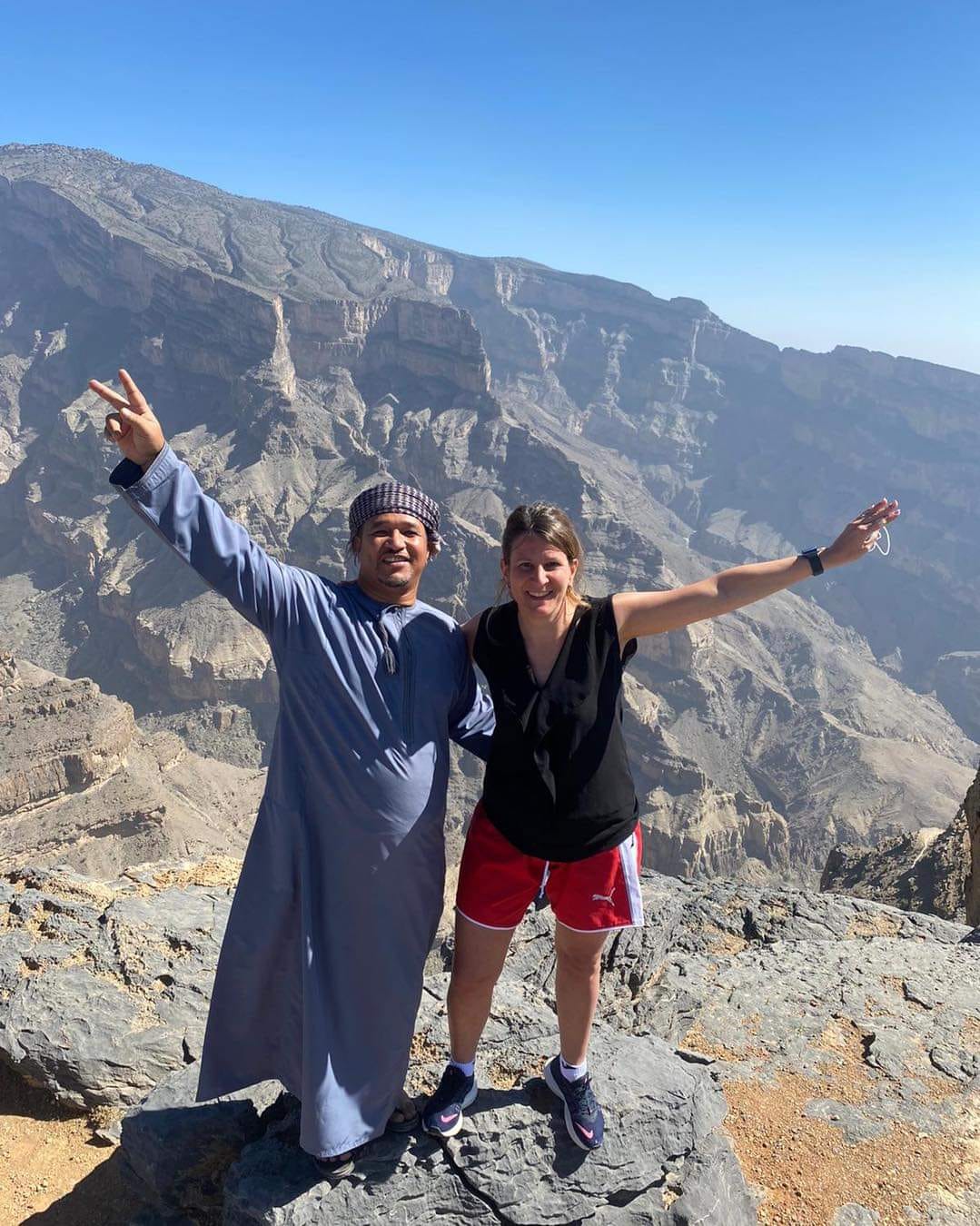
For the ultimate adventure, Jebel Shams—Oman's highest peak at 3,009 meters—presents hikers with the spectacular "Grand Canyon of Arabia." The Balcony Walk trail along the rim offers vertigo-inducing views into Wadi Ghul, though it's more of a steep scramble than a leisurely stroll.
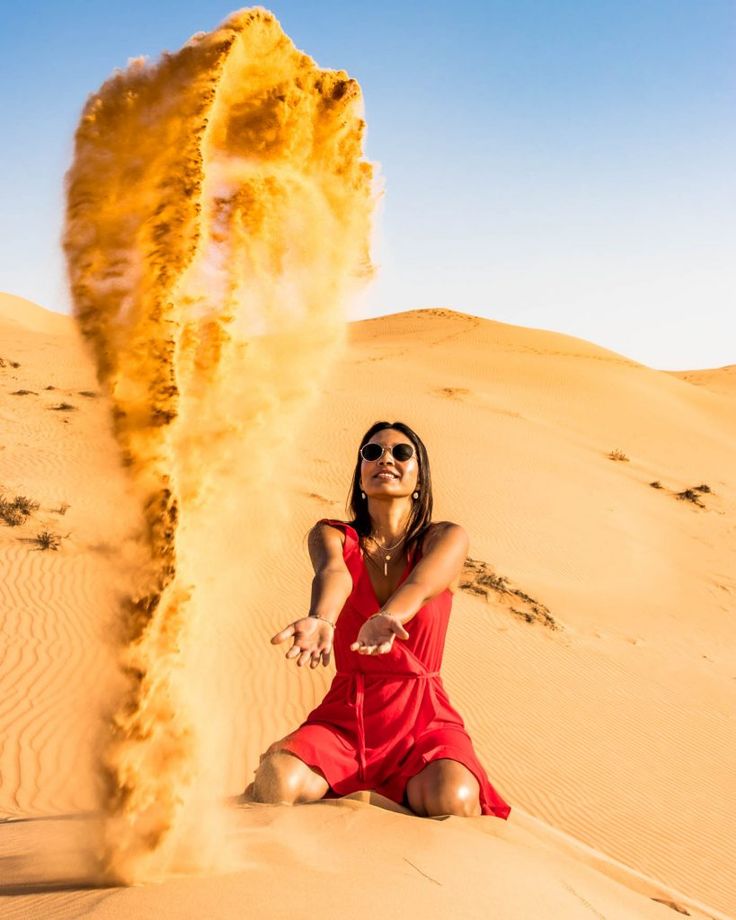
The Sharqiya Sands (often called Wahiba Sands) stretches across 12,500 square kilometers of rolling dunes that shift from honey gold to deep amber as the sun tracks across the sky. This is where you'll find authentic Bedouin experiences—traditional camps where you can sleep under impossible stars, learn about desert navigation, enjoy camel rides at sunset, and understand how nomadic communities have thrived in this harsh environment for millennia.
Many camps now offer comfortable accommodations with surprising amenities while maintaining cultural authenticity. Dune bashing in 4x4 vehicles provides an adrenaline rush, but don't overlook quieter pursuits like simply sitting atop a dune watching the play of light and shadow across the endless sand sea.
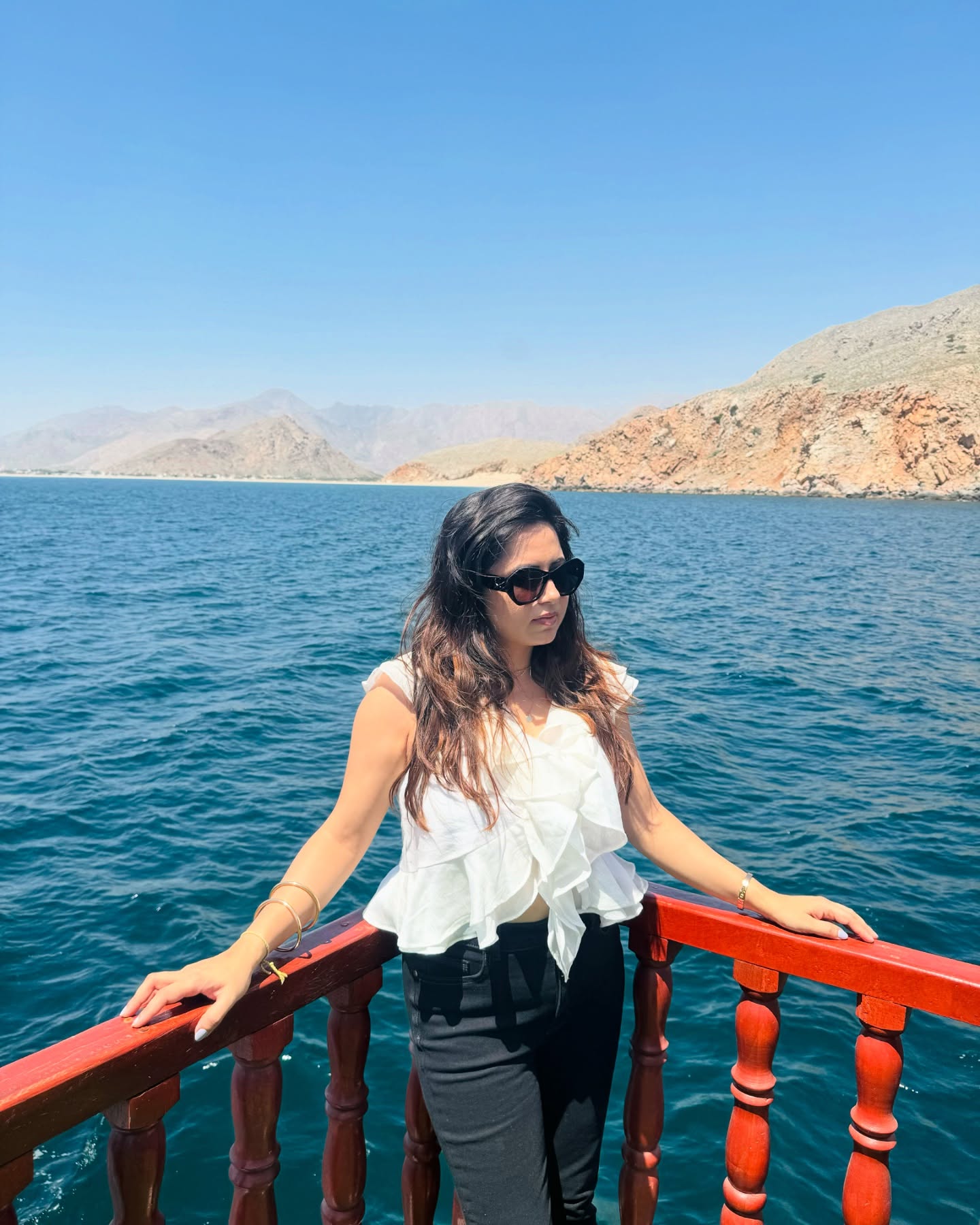
The Musandam Peninsula, an Omani exclave separated from the rest of the country by UAE territory, presents dramatically different geography. Often called the "Norway of Arabia" for its spectacular fjords, Musandam offers some of the region's finest diving and snorkeling. Traditional dhow cruises through Khor Ash Sham and other inlets reveal dolphins playing in the wake and villages accessible only by boat.
The mountain roads here rank among the world's most spectacular—and terrifying—drives, with dizzying switchbacks offering panoramic views over the Strait of Hormuz. The waters teem with marine life, and the rocky coastline provides habitat for rare birds and wildlife.
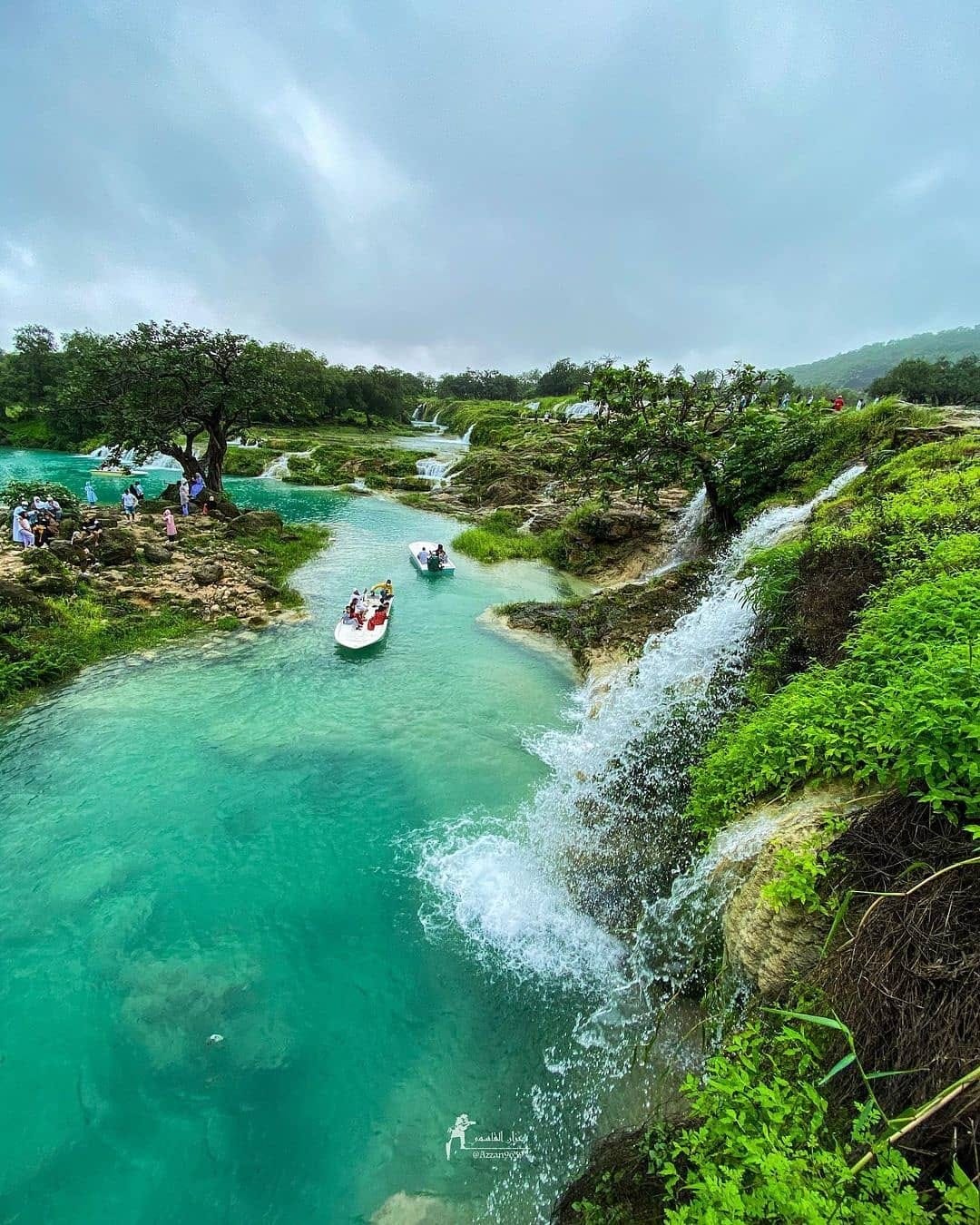
Southern Oman tells a different story entirely. Salalah, historically the frankincense capital of the world, sits at the crossroads of ancient trade routes. The UNESCO-listed Frankincense Trail connects archaeological sites including the ancient port of Al Baleed, where museums now interpret the region's role in the lucrative incense trade.
Oman's coastline hosts the world's largest population of endangered loggerhead and green turtles, making Ras Al Jinz Turtle Reserve a conservation success story and unmissable experience. Guided nighttime tours allow respectful observation of nesting females and, during hatching season, the moving spectacle of hatchlings beginning their oceanic journey.
The Empty Quarter (Rub' al Khali) extends into southern Oman, offering the ultimate desert experience. This vast sea of sand, the world's largest continuous sand desert, provides a humbling reminder of nature's scale and power.
Getting There and Around: Muscat International Airport serves as the main gateway, with connections from major global hubs. Over 60 airlines now operate routes to Oman, and airport infrastructure continues improving. Within the country, rental cars offer the greatest flexibility—Omani roads are generally excellent, though mountain and desert routes require 4×4 vehicles and experienced drivers.
Accommodation: Options span from luxury international chains to boutique heritage hotels, desert camps, and mountain lodges. Book well in advance for peak season (December through February), especially around Christmas, New Year, and the Muscat Festival. The growing tourism sector means new properties regularly open, though Oman resists mass tourism development in favor of sustainable, integrated resorts.
Currency and Costs: The Omani Rial (OMR) ranks among the world’s strongest currencies. Major credit cards are widely accepted in cities, though cash remains essential for souks and rural areas. Oman offers better value than neighboring UAE, though it’s not a budget destination—expect costs comparable to Southern Europe.
Connectivity: Mobile coverage is excellent in populated areas, less reliable in remote mountains and deserts. Major hotels and restaurants offer WiFi, and purchasing a local SIM card is straightforward.
Oman remains a deeply traditional society where its charm lies in authenticity, asking for “quiet respect” in return for its welcoming hospitality. Understanding and honoring these cultural norms enriches your experience and demonstrates appreciation for your hosts.
Dress Modestly: Both men and women should keep shoulders and knees covered when visiting wadis, souks, mosques, and rural areas. While beach resorts have more relaxed standards, cover up when leaving resort grounds. Women should carry a headscarf for mosque visits and conservative areas.
Religious Respect: Oman is a Muslim country where Islamic traditions shape daily life. During Ramadan, avoid eating, drinking, or smoking in public during daylight hours. The call to prayer rings out five times daily—appreciate it as part of the cultural soundscape. Non-Muslims can visit the Sultan Qaboos Grand Mosque (outside prayer times) but must follow dress codes and behavioral guidelines strictly.
Photography Etiquette: Always ask permission before photographing Omani people, especially women. Military installations, government buildings, and certain cultural sites prohibit photography.
Social Customs: Omani hospitality is legendary. If invited for coffee and dates, accept graciously—this ancient ritual represents genuine welcome, not a transaction. Use your right hand for eating and greeting. Public displays of affection beyond hand-holding are inappropriate.
Gender Considerations: Oman is generally safe for female travelers, who should nonetheless dress conservatively and exercise standard precautions. LGBTQ+ travelers should note that same-sex relationships are not legally recognized, and public displays of affection could attract negative attention.
Official tourism data highlights rising eco-tourism and outdoor activities, reinforcing the Sultanate’s commitment to preserving its unique landscapes for future generations. As a visitor, you can support these conservation efforts through mindful choices.
Respect fragile desert and wadi ecosystems by staying on established trails, disposing of waste properly (pack out everything you pack in), and avoiding disturbance to wildlife. When visiting turtle nesting sites, follow guide instructions rigorously—flash photography and noise can disorient nesting mothers and hatchlings with potentially fatal consequences.
Choose tour operators committed to sustainability, support local businesses and craftspeople directly, and seek authentic cultural experiences over staged tourist shows. Oman’s tourism model prioritizes quality over quantity—your choices can help maintain this valuable approach.
Clothing: Lightweight, loose-fitting clothes in natural fabrics; long pants and long-sleeved shirts for sun protection and cultural sensitivity; comfortable walking shoes and sandals; swimwear for hotel pools and beaches; warm layers for mountain and desert evenings; modest scarf for women.
Sun Protection: High-factor sunscreen, wide-brimmed hat, quality sunglasses—the sun is intense year-round.
Practical Items: Reusable water bottle (staying hydrated is crucial), headlamp for turtle watching and desert camps, basic first aid supplies, insect repellent, waterproof bag for wadi adventures.
In an age of increasingly homogenized tourism experiences, Oman offers something precious and rare: authenticity preserved not as a museum piece but as living culture. While neighboring destinations race toward ever-more extravagant attractions, Oman has chosen a different path—one that honors heritage, respects natural limits, and welcomes visitors as guests rather than consumers.
The developments of 2026—from the game-changing unified visa to enhanced infrastructure and adventure tourism standards—make this the ideal moment to discover Oman. Whether you’re drawn by ancient forts and frankincense trails, the call of empty deserts and impossible stars, the thrill of mountain wadis and coastal diving, or simply the opportunity to experience genuine Arabian hospitality, Oman delivers.
The Sultanate isn’t trying to be Dubai, and therein lies its magic. While others build higher and louder, Oman whispers an invitation to slow down, look closer, and rediscover what luxury truly means: the space to breathe, the wildness to explore, and the authenticity to connect with places and people as they really are.
As overtourism strains the world’s most famous destinations, Oman offers a breath of fresh mountain air—a place where you can still discover your own wadi, camp under stars unsullied by light pollution, and experience a culture that hasn’t been packaged for tourist consumption. The question isn’t whether to visit Oman in 2026, but rather: what are you waiting for?
Pack your sense of adventure, bring respect for tradition, and prepare for a journey that reminds you why you fell in love with travel in the first place. Oman awaits, timeless and unhurried, ready to share its secrets with those willing to venture beyond the obvious.
Ready to start planning your Omani adventure Tour’s? Contact Pinkstone Travel today to craft your perfect itinerary, combining must-see highlights with off-the-beaten-path discoveries tailored to your interests and travel style.